Health benefits of sweet potato

One food that is popular, especially among rural Jamaicans, is the sweet potato. It can be eaten roasted, boiled or fried and is a tasty and nutritious addition to your diet.

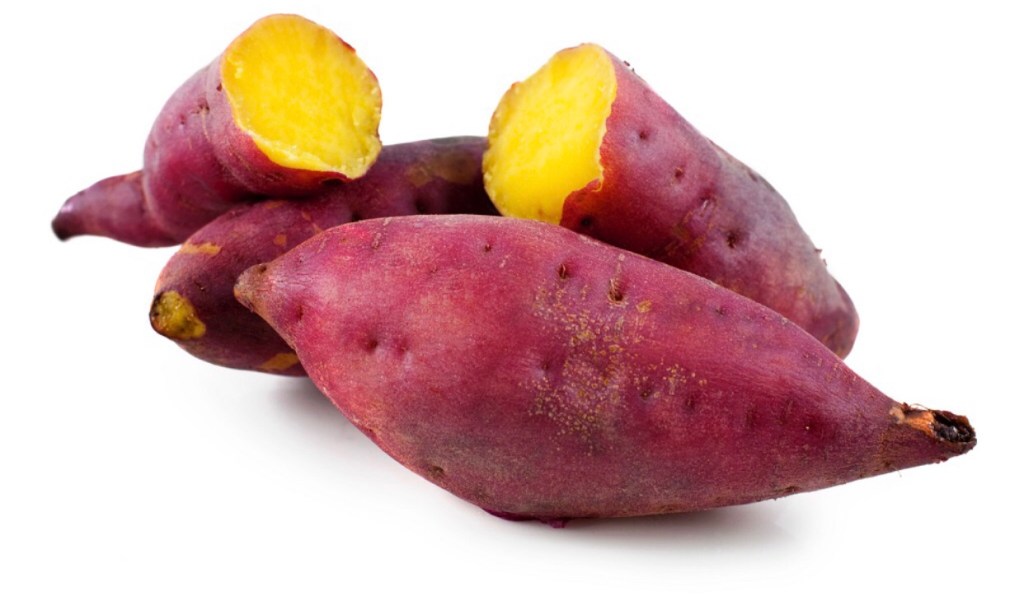
Sweet potatoes are tubers that are grown worldwide They come in a variety of sizes and colours — including orange, white, and purple — and are rich in vitamins, minerals, antioxidants, and fibre.

The fibre and antioxidants in sweet potatoes are great to promote a healthy gut..

Sweet potatoes contain two types of fibre: soluble and insoluble, both of which are easily digestible. These fibres soften your stool making it easier to go

Sweet potatoes are filled with antioxidant properties which are known to protect against certain types of cancers. A group of antioxidants found in the purple strain of sweet potatoes, known as Anthocyanin, has been found to slow the growth of certain types of cancer cells in test-tube studies, including those of the bladder, colon, stomach, and breast.

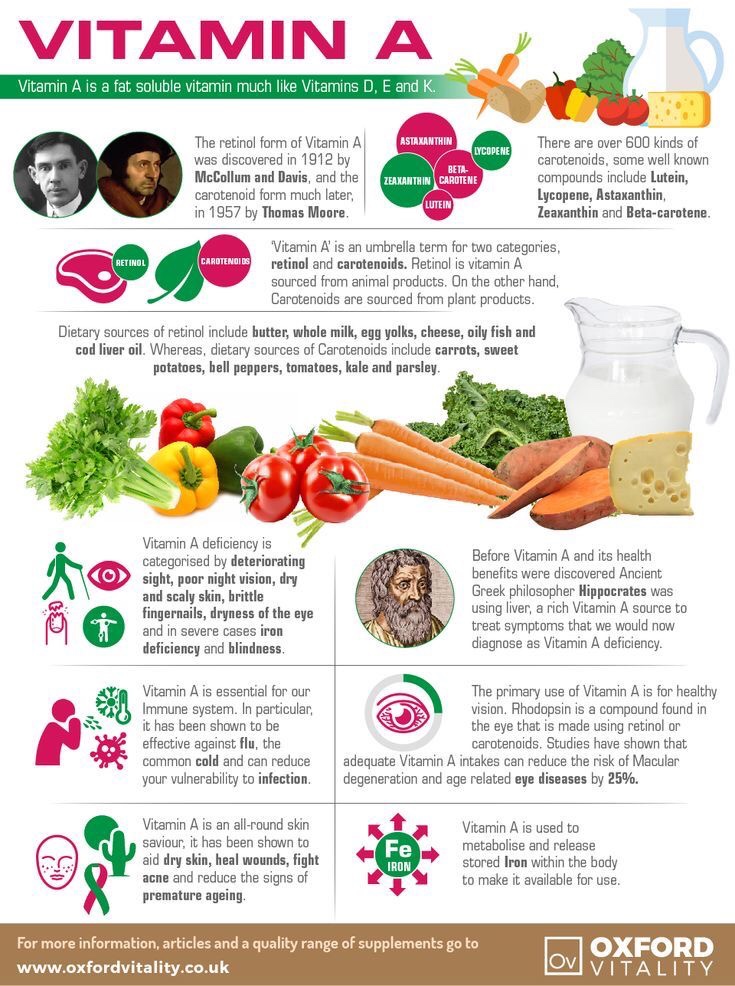
Eating sweet potatoes can also promote healthy vision as it contains beta-carotene, the antioxidant responsible for the vegetable’s bright orange color.

Beta-carotene is converted to vitamin A in your body and used to form light-detecting receptors inside your eyes.

Consuming sweet potatoes may also improve brain function. The antioxidants protect the brain by reducing inflammation thus preventing any radical damage to that most vital organ.

In this time of the COVID-19 pandemic, building a strong immune system is most important and recent studies have shown that the sweet potato is one food that has immune defense building properties. The orange-fleshed strain of sweet potatoes is one of the richest natural sources of beta-carotene, a compound which is critical to a healthy immune system.


Covid-19 update

Health benefits of fever grass

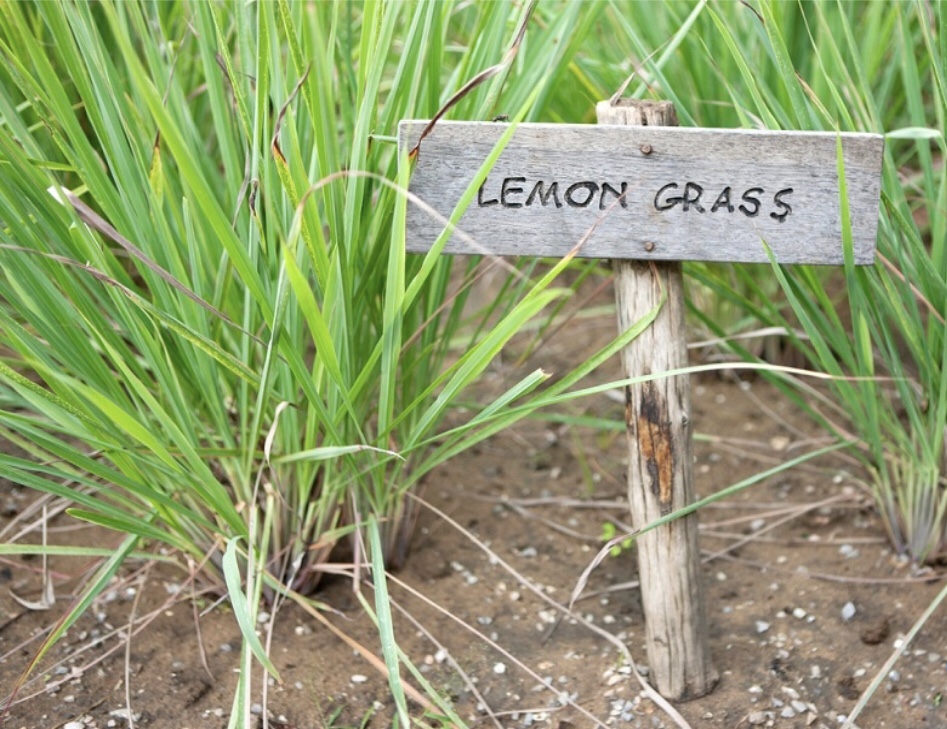
Fever grass

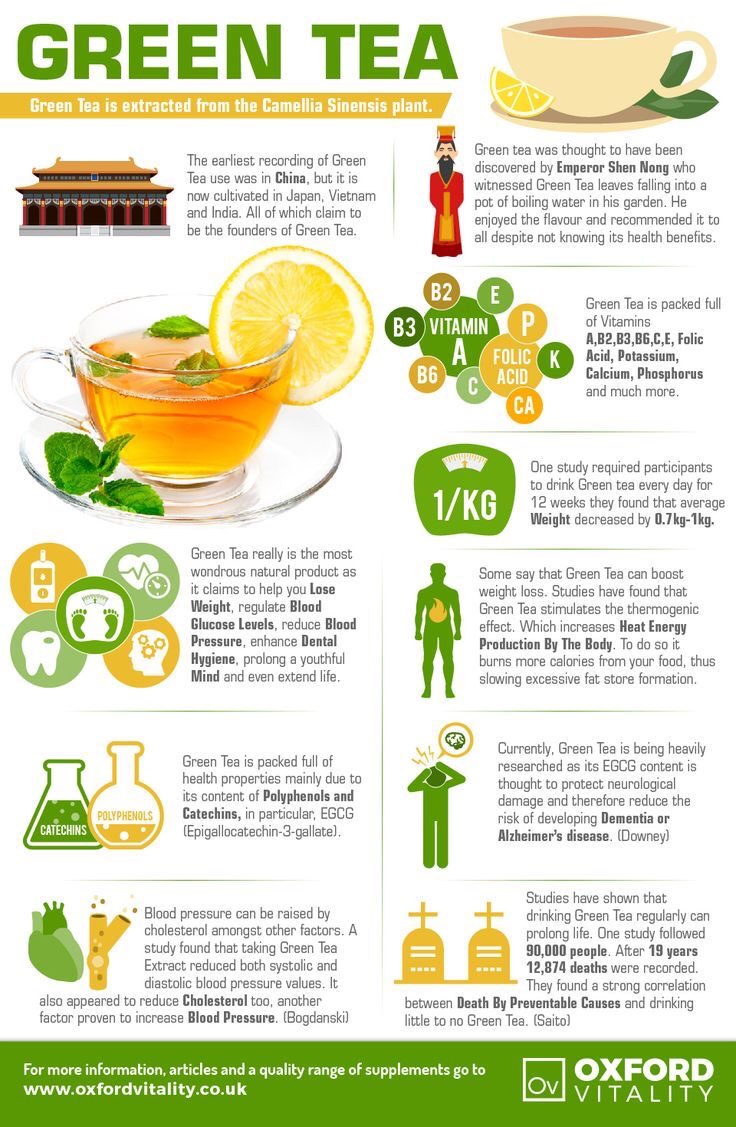
Lemon grass, which is also known as fever grass in Jamaica, is a plant that grows wild throughout the island and most tropical countries. It is known to have a wide variety of health benefits.
The plant is a source of essential vitamins and minerals including vitamins A, B and C, potassium, magnesium, phosphorous, manganese, zinc, folate and iron.
As its name suggests, fever grass is known to counteract the effects of a fever especially in children but is also great for adults.
Fever grass is a great mind relaxer as many people find sipping a cup of hot tea to be soothing, and fever grass tea is known to contain further anxiety-reducing properties.
It is also known for its quality in reducing cholesterol levels. According to an article in the Journal of Advanced Pharmaceutical Technology & Research, consuming fever grass extracts appears to lower cholesterol in animals. The study notes that the reaction is dose-dependent. This means that larger quantities of fever grass might lower cholesterol further.
Fever grass also contains some infection-preventing qualities. The herb can reduce the incidence of thrush, a fungal infection that commonly affects people with weakened immune systems, such as those with HIV.
Some people are known to use the stalks and chew them as a way to improve dental health and keep the mouth feeling clean. The Food Chemistry journal published a study confirming these findings. The authors looked at 12 herbs and found that fever grass herbal extracts were one of the most potent inhibitors of bacterial growth in lab samples. They used bacteria that can cause cavities in the mouth including Streptococcus sanguinis.
Long known by the older folk in Jamaica, fever grass tea can be ingested as a means of easing pain. The tea has long been used as a pain fighting remedy in many Jamaican homes.
Drinking fever grass tea infusions daily, for 30 days, reportedly can increase hemoglobin concentration, packed cell volume, and red blood cell count in the body.
The tea is also known to combat bloating. Drinking fever grass tea can have diuretic effects, which means that it stimulates the kidneys to release more urine than usual.
In addition, the leaves and the essential oil – which is anti-fungal and anti-bacterial – are used in traditional medicine to relieve spasms and increase perspiration.
The plant extract is also used to treat digestive ailments, arthritis pains and various skin conditions.
The tea is also excellent for the treatment of digestive problems, where it relaxes the muscles of the stomach and gut, relieving cramping pains and breaking wind.
The essential oil of the plant is a very effective treatment for conditions including athlete’s foot, ringworm, lice and scabies and is an effective wound wash.

Health benefits of Cabbage

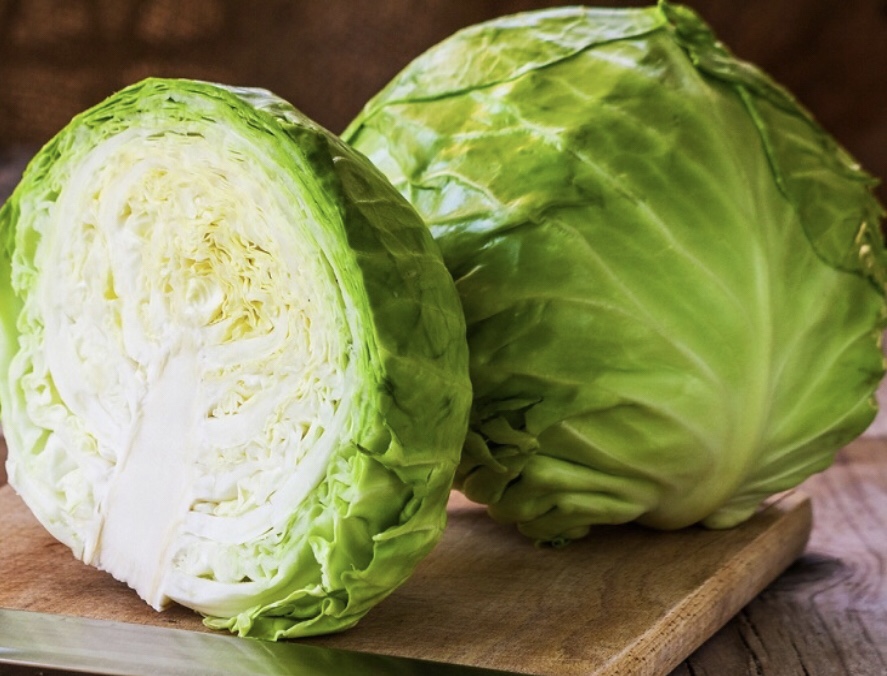
Cabbage has been a staple in diets around the Caribbean region and the world for ages. The vegetable is available in a variety of colours and has a range of health benefits, whether consumed raw or cooked.
Increasing your intake of cabbage minimises the risk of a multiplicity of ailments, including influenza. In certain rural Jamaican communities for example, cabbage is boiled and the tea is used as a remedy to counter the effects of the common cold and flu like symptoms.
This wonder vegetable also helps to promote a healthy complexion, increased energy and overall lower weight.
The fibre and water content in cabbage helps to prevent constipation and maintain a healthy digestive tract. Eating wholesome amounts of fibre promotes regularity, which is crucial for the excretion of toxins through the bile and stool.
Dietary fibre also plays a role in regulating the immune system and inflammation, consequently decreasing the risk of inflammation-related conditions such as cardiovascular disease, diabetes, cancer, and obesity.
So whether your preference is the white, purple, red or green variety, if you are trying to improve your diet, cabbage is among your best options.

Health benefits of Love Bush

Known as the love bush in Jamaica and some other countries, the dodder vine is not just a pest to farmers and horticulturists.
The plant was once very popular among Jamaicans for predicting if someone they had a crush on was feeling the same way. This they did by breaking the vine and throwing on a fresh host plant. If the parasitic plant grew then love was in the air, if not then it was a sign to look elsewhere for love.
But apart from the childish superstitions, the love bush has many other benefits to offer, particularly in the area of health and wellness.
The vines and seeds of the dodder bush contain flavonoids which have estrogen-like effects, while at the same time providing a protective role for the human sperm.
What’s more, when boiled with ginger, the love bush has been proven effective in suppressing chest infections and coughs, according to studies done in Asia where the plant has been used as an alternative medicine for centuries.
It has also been discovered that dodder seeds can improve bone density and promote hyaline cartilage repair. The plant is also known to contain anti carcinogenic properties which inhibits the growth of cancer cells and reduces the incidence of cancer.
Dodder is also known to have anti-diabetic qualities as consuming the bush will result in decreased blood glucose levels, increased body mass, and increased glycogen content. Consuming the seeds of the love bush is also good for propping up the body’s immune system.
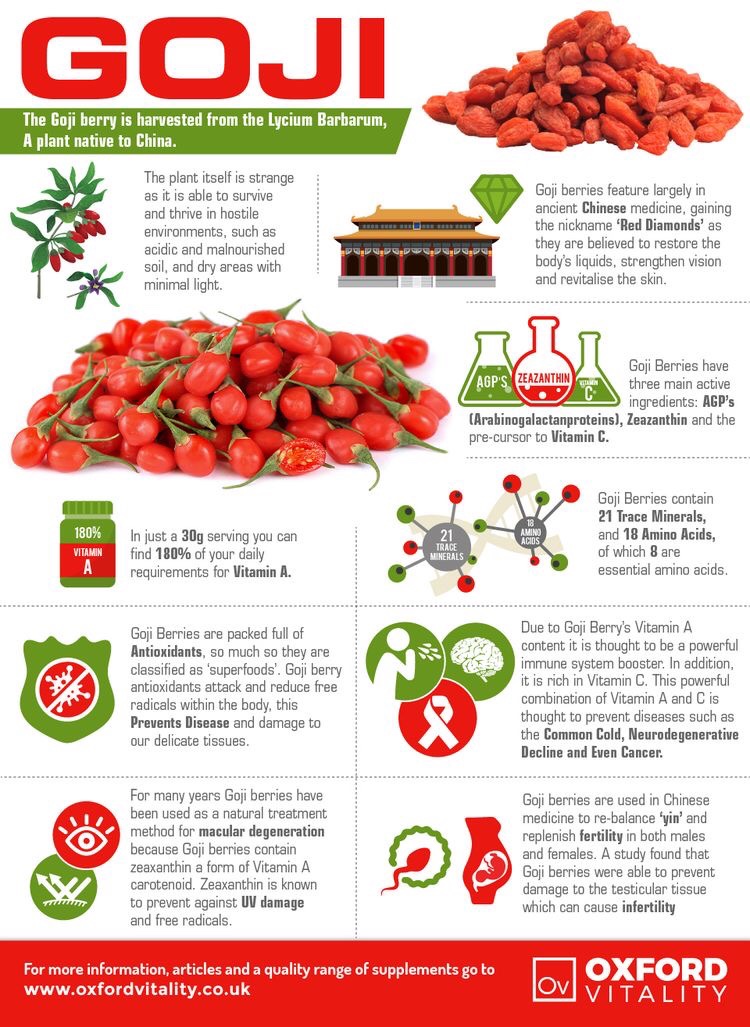
The dodder plant extract is also an effective method of cleansing the liver, fighting eye diseases including glaucoma, boosting heart health, toning the kidneys and cleaning the urinary tract and bladder.
So show some love to your body by consuming some love bush. Remember that everything should be taken in moderation, so don’t overdo it.

Health benefits of Thyme

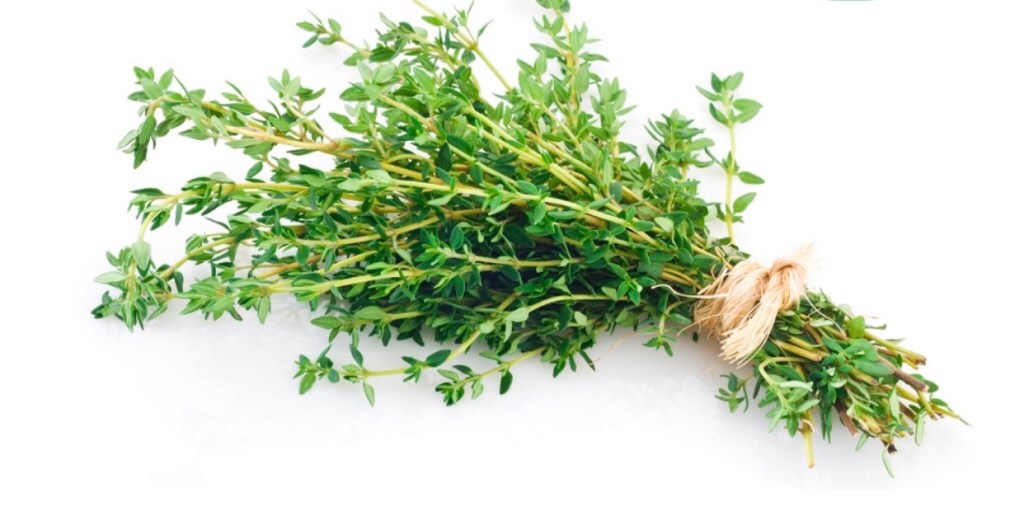
In the Caribbean and other regions of the world, thyme is a highly sought after ingredient for various recipes. The herb is a member of the mint family and has over 400 subspecies.
Thyme is filled with a range of health giving benefits and is not just a seasoning to spice up soup, rice and peas, meat or other dishes. Thyme has strong antibacterial properties and is very good to combat the effects of a wracking cough when consumed in the form of tea.
Thyme’s essential oil, which is obtained from its leaves, is often used as a natural cough remedy. The tea made from thyme and sweetened with honey is known to effectively combat coughing and other symptoms of advanced bronchitis.
The aromatic herb is loaded with vitamin C and is also a good source of vitamin A. This makes the plant an excellent source for treating the common cold and influenza without the side effects of over the counter drugs. In combination with Vitamin A, the plant is also a booster to the immune system which, when strong, will be able to fend off a plethora of virus which debilitates the body.
Thyme is also a good source of copper, fibre, iron and manganese.
But apart from seasoning the pot and counteracting the effects of the cold and flu, thyme is also blessed with other healing properties if used correctly. Here goes:

  • Moderate consumption of the plant has been known to slow down a racing heart rate
  • You can soak thyme in alcohol for days or weeks to make a tincture that is an excellent treatment for acne and pimples.
  • A recent United Kingdom-based study found that an extract of the herb was able to significantly reduce heart rate in rats with high blood pressure, and it was also able to lower their cholesterol.
  • An extract from the herb, known as Thymol, is an ingredient used in pesticides and is commonly used to target bacteria and viruses.
  • Rubbing thyme leaves between your hands and releasing the essential oil in the atmosphere is also an effective method to ward off mosquitoes which carry a range of potentially life taking diseases..
  • You can also make homemade repellant by mixing four drops of thyme oil to every teaspoon of olive oil, or mixing five drops for every two ounces of water.
  • Thanks to its antiseptic and antifungal properties, it is a common ingredient in mouthwash.
    So the next time you use thyme, remember you are not just seasoning up the pot but also boosting your immune system and will be healthier for it.

Health benefits of Honey

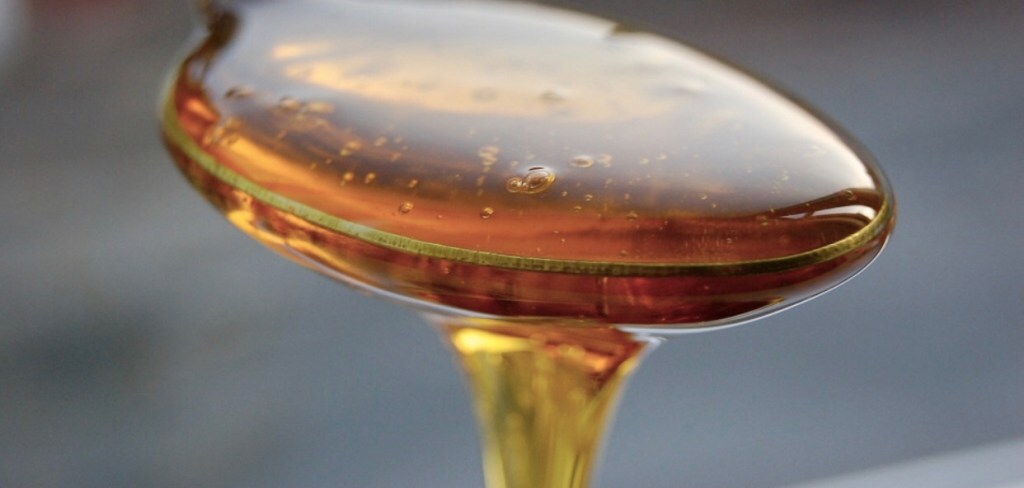
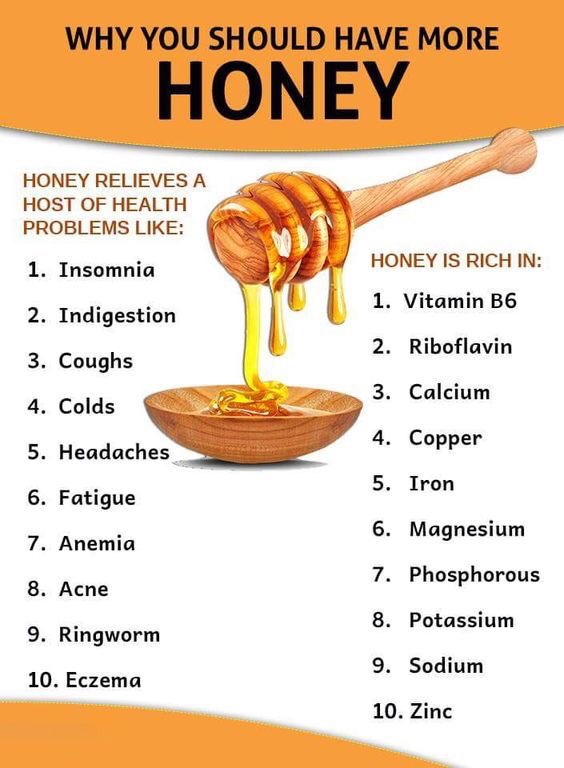
Honey is known as the nectar of the gods and has botanical connections due to the fact that it is the end product of the pollen of flowering plants and trees that are harnessed by bees.
The sweet-flavoured substance has been used for treating a variety of aliments for more than 5,000 years due to its wound healing and anti-bacterial agents.
Indeed, the World Health Organization (WHO) recognises honey as a natural cough remedy – honey mixed with lime juice and garlic has been a staple in many Caribbean homes.
Honey has also been known to decrease the deleterious effects of diarrhea. It promotes increased potassium and water intake, which is particularly helpful when experiencing the condition.
Consuming honey is also known to counter acid reflux which is the upward flow of stomach acid and undigested food by lining the esophagus and stomach.
What’s more is that the sweet flavour of honey makes it an great alternative for sugar in the diet. Added sugar in the diet provides excess calories with no nutritional benefit, and this can lead to increased body weight which comes with an increased risk of high blood pressure and diabetes.
Honey can be added to food and beverages to sweeten the taste without the negative health impact of added sugars. However, since honey is still a sweetener, it is important to remain mindful of how much honey being is used.
Other illnesses, ailments, and injuries that honey is said to be effective for include stress, weakness, sleep disturbance, vision problems, halitosis (bad breath), teething pain, asthma, hiccups, stomach ulcers, vomiting, bedwetting and frequent urination, high blood pressure, obesity, jaundice, hangover relief, eczema and dermatitis and arthritis.
While not all uses of honey are confirmed as effective, trying it as treatment will not make conditions any worse or cause harm. However, some doctors warn that honey must not be ingested by children less than 12 months old due to the risk of a type of food poisoning known as botulism.
Overall, honey is another amazing natural produce. Sweeten your life today with honey!

Health benefits of Garlic

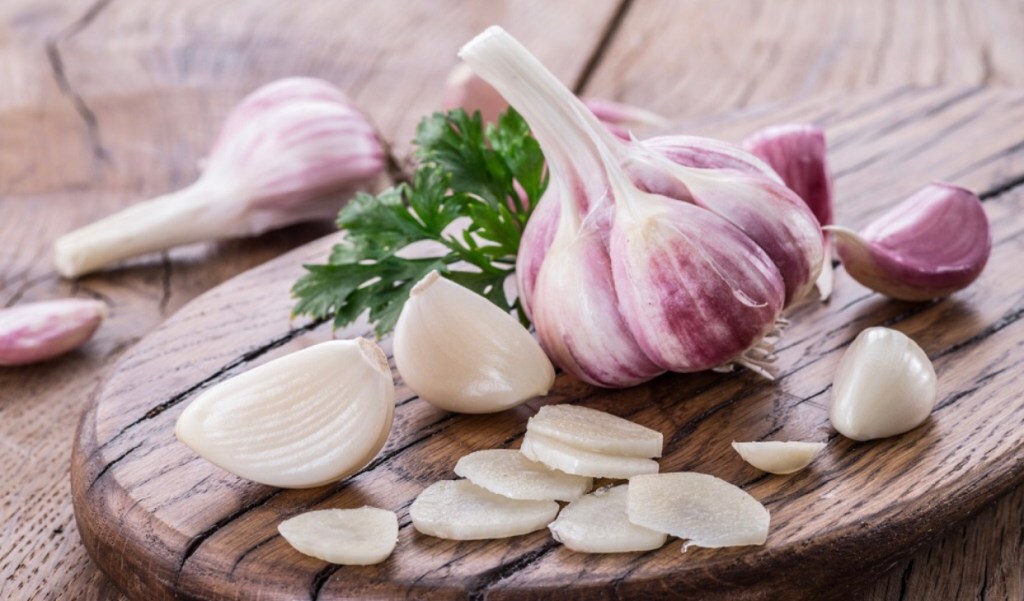
It is no secret that garlic is a super food. It is the main component in many antibiotics and is simply great for your health.
Garlic is a part of the onion family and contains compounds with potent medicinal properties. It grows in many parts of the world and is a popular seasoning in cooking due to its strong smell and delicious taste.
Most of the health benefits from garlic are said to be fueled by its sulfur compounds formed when a garlic clove is chopped, crushed or chewed.
The sulfur compounds from garlic enter the body from the digestive tract and travel all over the body, where it exerts its health benefits.
Garlic combats many sicknesses including the common cold, and its supplements are known to boost the function of the immune system.
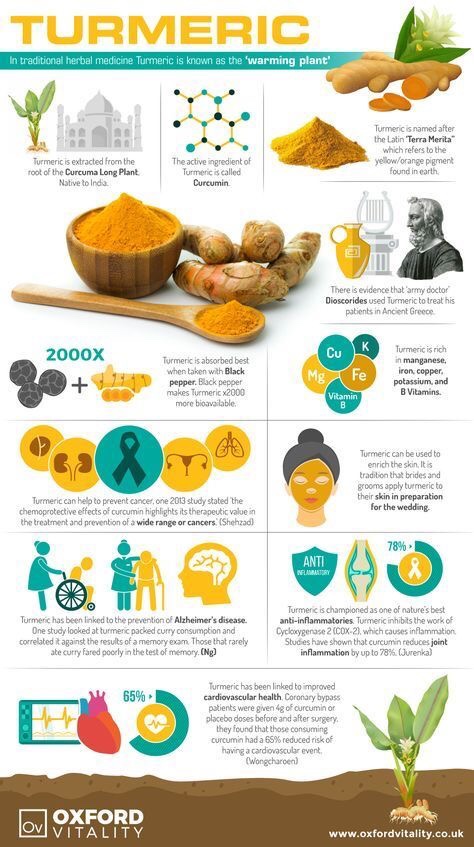
One study found that a daily garlic supplement reduced the number of colds by 63 per cent compared to a placebo. The average length of cold symptoms was also said to be reduced by 70 per cent, from five days in the placebo group to just 1.5 days in the garlic group.
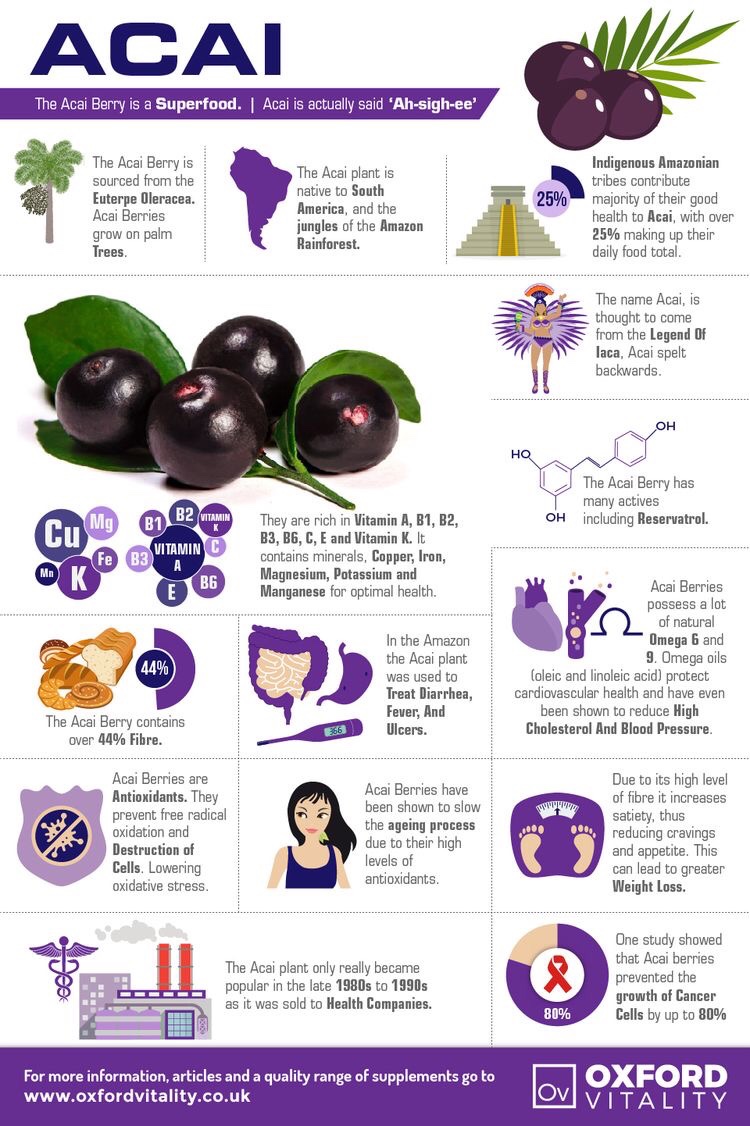
Another study found that a high dose of aged garlic extract (2.56 grams per day) reduced the number of days sick with cold or flu by 61 per cent.
What’s more, the active compounds in garlic are known to reduce blood pressure and diseases like heart attacks and strokes.
Garlic also contains antioxidants that may prevent Alzheimer’s disease and dementia.
Indeed, this wonder herb is known to be one of the earliest “performance enhancing” substances. It was traditionally used in ancient cultures to reduce fatigue and enhance the work capacity of laborers.
At high doses, the sulfur compounds in garlic have been shown to protect against organ damage from heavy metal toxicity.
Garlic is very easy to include in your diet. It complements most savory dishes, particularly soups and sauces. The strong taste of garlic can also add a punch to otherwise bland recipes.
However, keep in mind that there are some downsides to garlic, such as bad breath. There are also some people who are allergic to it.
But, overall, garlic is truly a super food!

Health benefits of Bulgur

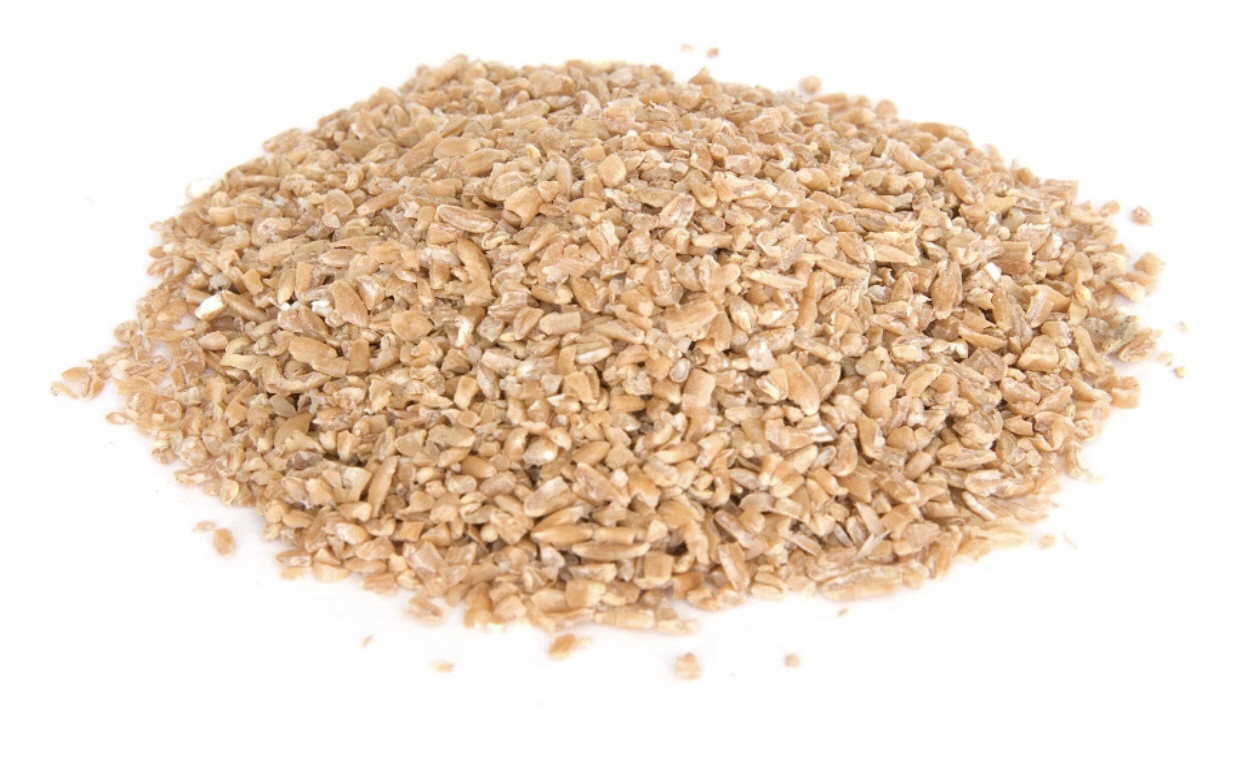
Eating fibre-rich whole grains, such as bulgur, can account for multiple health benefits including disease prevention and improved digestion.

Bulgur, an edible cereal grain made from dried, cracked wheat, was once looked down upon in Jamaica as the food of the poor and underprivileged. However, the whole grain food is a great source of magnesium, calories, carbohydrates, protein and folate.

The cereal grain can be used to make porridge, a stew and can be included in your rice and peas.

Consumption of the food item helps to reduce blood sugar response and lowers insulin levels, therefore assisting in controlling blood sugar levels.

Regular consumption of the whole grains can promote the growth of healthy gut bacteria which produces short-chain fatty acids, which support intestinal health and proper digestive function.

Eating bulgur may also be effective for treating and preventing digestive issues including constipation.

What’s more, including bulgur alongside other fibre-rich foods as part of a balanced diet may support a healthy weight.

Design a site like this with WordPress.com
Get started