
Health benefits of Mint

The mint plant is one of the most popular herbs and most developed in the world. It comes in some 25 species and is grown in most tropical countries with minimum care needed.

The plant is commonly consumed as tea and is also used in smoothies, salads, sauce and soups.

It is a great healer and is known to have a variety of uses in making for healthier living for those who ingest it regularly.

Mint is very good in easing muscle aches due to the antispasmodic content in it. This substance works very well to loosen muscles which are tensed.

Fresh mint flavour makes it ideal to relieve bad breath. Mint tea made from fresh mint leaves or dried effectively get rid of bacteria that cause bad smells of breath. Mint will also keep the mouth moist by stimulating saliva production.

The ingestion of mint also serves to increase one’s appetite and the plant is also able to relieve heartburn, increasing the flow of digestive fluids through the digestive system.

It is also good in defeating nasal congestion. Plant mint contains menthol, ingredients commonly used in commercial drugs sold to combat the flu. The smells of menthol can help open the respiratory tract because it contains anti-inflammatory properties. The antibacterial properties of mint leaves also help treat infections due to bacterial attack.

Mint leaves are also good to combat nausea and indigestion. It has the potential to aid the digestive system and relieve stomach cramps. Mint has a mild anesthetic effect so as to relieve pain in the stomach and menstrual cramps.

Consuming mint is also helpful in overcoming fever, and providing a sense of cold, refreshing feeling to the body.

Antioxidants in mint leaves are useful to combat free radicals linked to a number of diseases, one of which is cancer. The plant is also rich in vitamin A and beta carotene which is very good for maintaining eye health.

Drinking mint tea also helps to reduce stress and improve the immune system. It is also good to counteract itching in the throat and overcoming allergies.

It also promotes and maintains healthy skin, weight loss and is good for preventing cracked nipples in lactating mothers.
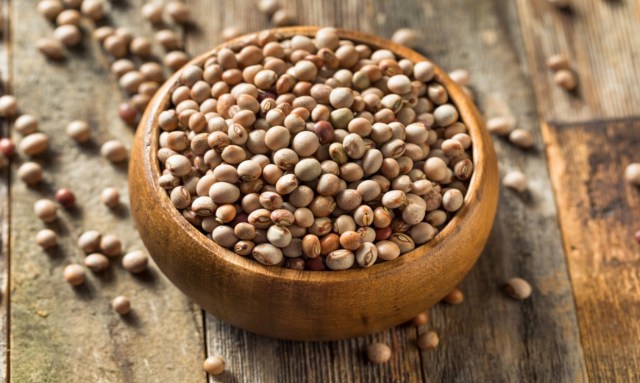
Health benefits of gungo peas

Scientifically labelled as Cajanus cajan, the gungo pea is also known as pigeon pea, Angola pea, Congo pea, no eye pea, Puerto Rico pea, among other names in other parts of the world.

Domesticated in India 3,500 years ago, gungo pea is one of the most important food legume crops which grow in the tropical and subtropical climates.

It is a drought tolerant and warm weather crop that is an excellent source of magnesium, phosphorus, calcium and potassium.

Gungo pea reduces the blood constriction and also lowers blood pressure. Persons who suffer from hypertension should eat it regularly.

The high protein content of these peas assists with growth and development. It is essential for the formation of cells, tissues, muscles and bones. It also assists in the healing process and cell regeneration in the body.

Consuming gungo peas also helps to stave off anemia and the seeds, leaves and peas are used to treat inflammation due to the presence of organic compounds. The mashed gungo peas paste is used as a treatment for piles which is known as hemorrhoids.

Because of its low calorie, cholesterol and saturated fat content, gungo peas is a perfect food to promote weight loss and due to the presence of Vitamin B, Riboflavin and Niacin, consuming the peas assists in preventing fat storage and boosts energy levels.

Eating gungo peas also boosts the body’s immune system and promotes a healthy heart.

Gungo peas are rich in dietary fibre which is essential for maintaining the digestive health. It also reduces constipation, cramping, bloating and diarrhea.

Gungo peas are also a good treatment for eliminating parasitic body worms and is also known as a cure for jaundice, bronchitis and lung disease.

Health benefits of Cantaloupe

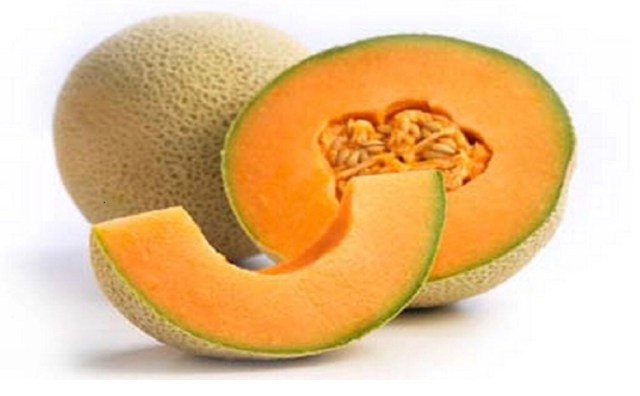
Cantaloupe, a variety of musk melon, presents a very good option for eating healthy and keeping your medical bills down.

Beta Carotene is a vital nutrient the cantaloupe is loaded with. Once consumed, beta-carotene is either converted into Vitamin A or acts as a powerful antioxidant to help fight free radicals that attack cells in your body.

Eating cantaloupe boosts eye health, and makes for the body’s production of healthy red blood cells and a healthy immune system.

Cantaloupe is also loaded with Vitamin C, which boosts the building of blood vessels, cartilage, muscles and collagen in bones.

Cantaloupe can also aid in fighting the debilitating effects of asthma and the common cold.

The orange-coloured pigment in cantaloupe is known to reduce the risk of some cancers, and also addresses memory loss due to aging.

Like most fruits, cantaloupe has high water content, at almost 90 per cent. Eating cantaloupe helps you stay hydrated throughout the day, which is important for heart health.

Good hydration also supports digestion, healthy kidneys and stabilises blood pressure

The fruit also has a high fibre content which fights off constipation, reduces the risk of heart disease, counteracts diabetes, and aids in weight loss.

Cantaloupe also has a reasonable potassium level, which is vital to nerve health and the replenishing of depleted electrolytes.

The cantaloupe is a tasty, nutritious fruit which should be included in your diet to assist in keeping medical bills low.

Health benefits of ginger

Loaded with nutrients and compounds that have powerful benefits for your body and brain, ginger is undoubtedly among the healthiest spices.

The spice is a rhizome or underground stem of the ginger plant that originated in Asia and belongs to the Zingiberaceae family.

Ginger can be used fresh, dried, powdered, or as an oil or juice. It is a common ingredient in recipes.

Among its various forms of medicinal uses, ginger has been used to help digestion, reduce nausea and help fight the flu and common cold.

Its natural oils, chief among them gingerol, produce its unique fragrance and flavour.

Ginger is often used as a sea sickness remedy, and is also known to relieve nausea and vomiting after surgery. It is also popular among cancer patients undergoing chemotherapy.

What’s more, ginger has been shown to be effective against muscular pain, lower blood sugar levels and improve persons suffering from heart disease.

One of the traditional uses of ginger is to provide relieve menstrual pain.

The root is also known to lower blood cholesterol and consuming ginger also aids in fighting a variety of infections.

Health benefits of Nutmeg

Nutmeg is a popular spice that comes from the seed of the evergreen nutmeg tree, scientifically classified as Myristica fragrans.

The tree is native to the Maluku or Spice Islands of Indonesia and is the only tree that is the source of two distinct spices in the world. It is commonly grown in the Caribbean and other tropical areas of the world.

The nutmeg is known to contribute to a number of health benefits.

According to the National Center for Biotechnology Information, US National Library of Medicine, nutmeg oil derived from the seed of the nutmeg tree has been proven to be an analgesic and a chronic pain reliever.

Nutmeg has been used as a home remedy for sleeplessness and insomnia, and is known to have medicinal properties to treat digestive issues such as indigestion and stomach ulcers.

The spice contains volatile oils like myristicin, eugenol, and elemicin, all of which have a therapeutic effect on the prevention of diseases like Alzheimer’s, Parkinson’s and Huntington’s.

Nutmeg is also proven to have antibacterial properties and has the potential to inhibit the activity of bacteria which causes periodontitis which is associated with tooth decay.

In a 2012 study conducted by Dr. Deepak Kumar Khajuria and his team, from the Al-Ameen College of Pharmacy, Bangalore, India, it was found that nutmeg extracts demonstrated an antidepressant activity. Moreover, it also has fewer side effects than conventional drugs.

A pinch of nutmeg has also been proven to stabilise blood pressure, lower cholesterol levels and also helps to contain the effects of diarrhea.

Studies are now being conducted to confirm that this wonder spice is also an effective property to fight against the growth of cancerous cells in the body.

When used appropriately, as a spice, the benefits outweigh the negatives. Use a pinch in your cornmeal porridge, eggnog and smoothies and know you will be healthier for it.

Some of this content was taken from http://www.organicfacts.net

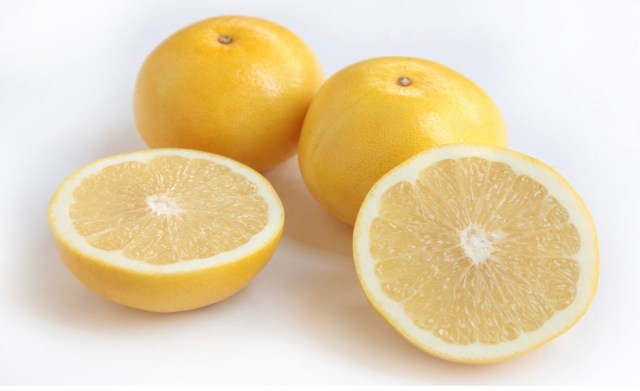
Health benefits of grapefruit

The grapefruit is a hardy tropical fruit which grows easily and is known to have a range of health benefits despite its sometimes tangy flavour. It is great for juices and has a wide range of uses in the cuisines of many countries.

Grapefruits, which come in a pink or yellow colour on the inside, are an excellent source for vitamin C. It is a great remedy to help reduce cold symptoms or severity of cold symptoms.

Eating grapefruit also prevents the free radical damage that triggers the effects of conditions such as asthma, osteoarthritis and rheumatoid arthritis.

The pink and red variety of this fruit contains a wonder nutrient known as lycopene which is an anti carcinogenic agent known to be especially active in fighting prostate cancer. Among the common dietary carotenoids, lycopene has the highest capacity to help fight oxygen free radicals, which are compounds that can damage cells.

Grapefruits are also known to reduce bad cholesterol due to it containing a form of soluble fibre known as pectin.

Eating grapefruit may also help to reduce kidney stones and is a great protection against colon cancer.

So, eat up the grapefruit; it’s great for you!

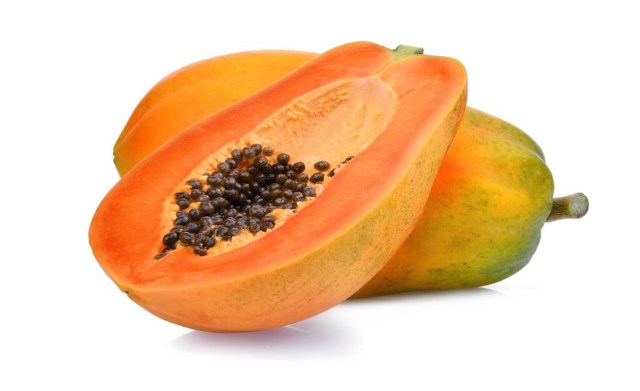
Health benefits of Papaya

The papaya – also known as papaw – is a soft, fleshy fruit that is very healthy to consume. It can be used in a wide variety of culinary ways including in smoothies or as a side dish.

The health benefits of consuming papaya include aiding in digestion, improving blood glucose control in people with diabetes, lowering blood pressure, and improving wound healing.

Zeaxanthin, an antioxidant found in papaya, filters out harmful blue light rays. It is thought to play a protective role in eye health, and it may ward off blindness.

The risk of developing asthma is said to be lower in people who consume a high amount of the antioxidant beta-carotene, found in papayas. It may also reduce cancer risk. Among younger men, diets rich in beta-carotene may play a protective role against prostate cancer, according to a study published in the journal Cancer Epidemiology and Prevention Biomarkers.

Papayas contain an enzyme called papain that aids digestion; in fact, it can be used as a meat tenderizer. Papaya is also high in fibre and water content, both of which help to prevent constipation and promote regularity and a healthy digestive tract.

The fibre, potassium, and vitamin content in papaya all help to ward off heart disease.

Choline is a very important and versatile nutrient found in papayas that aids our bodies in sleep, muscle movement, learning, and memory. Choline also helps to maintain the structure of cellular membranes, aids in the transmission of nerve impulses, assists in the absorption of fat, and reduces chronic inflammation.

What’s more is that papaya leaves are said to contain many healing properties including anti-malarial, making it an effective home remedy to fight against dengue fever and other illnesses.

Benefits/ uses of Lime

Limes are a citrus fruit often used to accent flavours in foods. They are a frequently-used ingredient in Caribbean, Mexican, Vietnamese and Thai cuisine.

They are grown year-round in tropical climates and are usually smaller and less sour than lemons.

One lime can provide 32 per cent of the vitamin C needed in a day. Vitamin C has been shown to reduce all-cause mortality and act as an antioxidant, which can help counteract harmful, disease-causing free radical cells.

What’s more, the nutrients in lime can support the heart, reduce the risk of asthma and promote healthy complexion and hair.

Studies have also revealed that increasing consumption of limes decreases the risk of obesity and diabetes, and enhances energy levels.

Iron deficiency is the most common nutrient deficiency, and pairing foods that are high in vitamin C with foods that are rich in iron will maximize the body’s ability to absorb iron, particularly when taking in iron from plant-based iron sources.

In Jamaica and the wider Caribbean, limes are used to flavour a number of dishes and salads. Jamaicans tend to use the juice to make a refreshing drink called ‘lemonade’ but which really is limeade. The juice is also used to enhance the flavour of a variety of fruit juices.

Lime juice is also used to to keep down the ‘raw’ scent that may accompany some meats including chicken and fish.

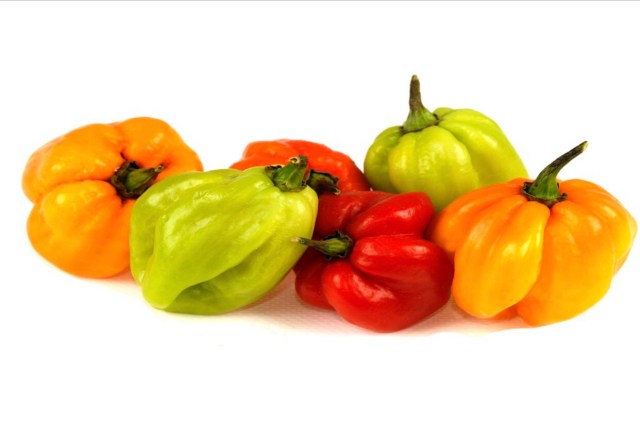
Scotch bonnet peppers

Scotch bonnet peppers carry a sting but they are actually very good for you. The fruit of the pepper plant is used in a variety of ways, especially in the Caribbean where spicy food is preferred.

In the case of the scotch bonnet pepper, it is native to the Caribbean but is now grown in parts of Africa, Florida and South America.

This pepper has a high heat rating and is not for the faint of tongue.

The main agent of the fruit that aids in health is a substance known as capsaicin. This substance is sometimes used for manufacturing medications such as analgesic, pepper spray and circulatory stimulants. It is what causes the burning sensation.

Capsaicin is known to be helpful in warding off breast, stomach and other cancers as it slows the growth of carcinogenic cells which lead to cancer.

The scotch bonnet pepper is also great for weight loss as it keeps the metabolism working at a high rate. It is also used in the treatment of cardiovascular disease.

Have you ever had pepper and immediately afterwards start snuffling or your nose runs? That is because the fruit is an anti mucus agent and is a natural remedy for colds and sinusitis.

Even though some medical studies in the past have warned persons with stomach ulcers to avoid the pepper, a recent study by the Harvard Medical School shows that it actually helps to heal ulcers as the fruit acts as a killer of the bacteria that promotes ulcer growth.

Scotch bonnet peppers are also an excellent source of phytochemicals, vitamin A, vitamin C (ascorbic acid), iron, vitamin B, carotenoids, niacin, riboflavin, dietary fibre, flavonoids and magnesium.

The roots of the pepper tree are also known to be used for the treatment of asthma.

The seeds, when soaked in alcohol, is a perfect heat treatment for muscle and joint pain.

The leaves are also heated and used to treat insect bites.

The peppers can also be used to make a variety of sauces.

Scotch bonnet peppers are good for you. Hot and spicy.

Health benefits of sorrel

Sorrel is traditionally consumed in Jamaica around Christmas time and was grown to be reaped in the season but, in recent time, the cash crop is reaped all year round as the demand for the fruit grows.

Sorrel is a nutritional powerhouse, providing significant amounts of important micro-nutrients, including vitamin A, which helps in maintaining healthy vision, skin, immune function, growth, and reproductive health.

Sorrel also contains a healthy dose of vitamin C, an important antioxidant that helps your body to resist infection, and is used in combination with other ingredients for sinusitis and bronchitis.

The plant also helps to maintain regular bowel movements, cholesterol levels, and blood sugar. The sorrel fibre may also help ward against certain health conditions including cancer, obesity, and type 2 diabetes.

Flavonoids not only give sorrel its deep red colour but act as a powerful antioxidant which scavenges the body of free radicals that can cause deadly diseases.

It is used as a diuretic in India, Africa and Mexico and has benefits for kidney health when ingested daily.

In Africa, the red calyx of the sorrel is used to relieve coughs, while the leaves are made into a poultice to relieve boils and abscesses.

Sorrel also has significant levels of iron which helps improve circulation throughout the body by boosting red blood cell production and oxygen levels in vital organs.

Design a site like this with WordPress.com
Get started