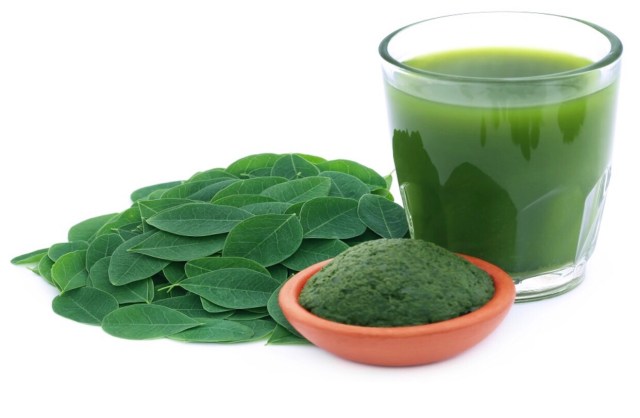
Moringa

The moringa oleifera – also known as horseradish tree, ben tree, or drumstick tree – is a small tree native to South Asia that has been used for generations in eastern countries to treat and prevent diseases such as diabetes, heart disease, anemia, arthritis, liver disease, and respiratory, skin, and digestive disorders.

The moringa leaves, pods, roots, bark, flowers, seeds, and fruits are all edible. They have been used as a traditional remedy for many ailments, and is a super food that can be had via a powder in smoothies or as a tea among other means of consumption. Moringa has a rich source of vitamins, minerals, and amino acids. It contains significant amounts of vitamin A, C, and E; calcium; potassium; and protein.

Moringa contains antioxidants called flavonoids, polyphenols, and ascorbic acid in the leaves, flowers, and seeds. Antioxidants fight free radicals, molecules that cause oxidative stress, cell damage, and inflammation.

It reduces inflammation by suppressing inflammatory enzymes and proteins in the body, and moringa leaf concentrate can significantly lower inflammation in the cells.

Moringa leaf powder has been effective at reducing lipid and glucose levels and regulating oxidative stress in diabetic patients, which means it lowers blood sugar and cholesterol and improves protection against cell damage.It also has heart-healthy benefits, particularly in blood lipid control, the prevention of plaque formation in the arteries, and reduced cholesterol levels.

What’s more, it supports brain health and cognitive function because of its antioxidant and neuro-enhancer activities. It has also been tested as a treatment for Alzheimer’s disease.

Moringa contains high concentrations of polyphenols in its leaves and flowers that protect the liver against oxidation, toxicity, and damage. This means it can reduce liver damage and fibrosis and reverse oxidation in the liver. Moringa oil can also restore liver enzymes to normal levels.

Moringa has antibacterial and anti-fungal properties that fight infections. It’s been effective against types of fungi that cause infections on skin and strains of bacteria responsible for blood and urinary tract infections and digestive problems.

It also has blood-clotting properties in its leaves, roots, and seeds that benefit wound healing and can reduce clotting time, which means it reduces the time it takes for scratches, cuts, or wounds to stop bleeding.
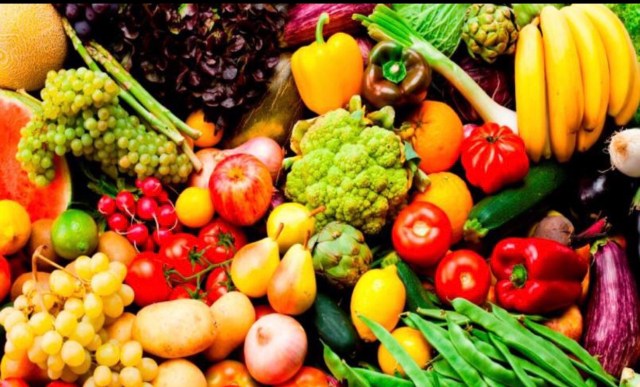
10 simple ways to implement a healthy diet

1.Prepare more meals at home – You are the master of your universe when you prep your meals at home because you have complete control over the quality of ingredients going into your body. People who cook more at home tend to eat healthier. It also provides good bonding time for family if you can get then involved.

2.Place more emphasis on nutrients – So often, we get caught up in maintaining a low caloric intake that we completely forget to focus on nutrients. Focusing on nutrients doesn’t compromise you caloric intake. In fact, the most nutrient dense foods are low in calories.

3.Stick to the perimeter of the supermarket when shopping – The deeper you traverse into the aisles of any supermarket, the more innutritious are the food options you will find. Stick to the periphery, which is where you’ll find fresh fruits and vegetables, meat and dairy.

4.Start ditching some heavily processed foods – Heavily processed foods are laced with sodium, sugar, additives and preservatives. A few obvious choices to start ditching are sodas and sugary drinks, corn oil and anything with trans fat.

5.Read food labels – It is not always possible to eat fresh, whole foods that don’t possess a label, but in the event that you have to, it important that you are able to read and understand food labels. This helps you know what’s in your food and empowers you to choose the best products for you and your family. Look for foods with fewer ingredients, with names that you can pronounce without difficulty.

6.Drink water – This might sound very simple, but you’d be surprised to know how many people don’t drink enough water on a daily basis. Oftentimes, when we think we’re hungry, our bodies are just dehydrated and sending a signal of hunger to the body. Water helps to flush toxins out of our systems. Health professionals still can’t agree on the optimal intake, of water but one is better than none and two is better one. The colour of your urine is a good indicator as to whether or not you are sufficiently hydrated.

7.Follow the 80/20 rule – It can sometimes be difficult to get access to healthy food, which can throw your healthy eating plans off track. But don’t fall victim to unhealthy eating. This is when the 80/20 rule can come into play. Simply ensure that 80 per cent of the time, you eat whole foods – fruits and vegetables, nuts and seeds, and so on. The other 20 per cent can be your buffer for those times when you’re hanging out with friends, travelling or just facing one of those inconvenient moments. Remember, it’s what you do most of the times that will often make or break you, so don’t stress about it.

8.Make greens your best friends – “Eat food. Not too Much. Mostly plants.” This is one of Michael Pollan’s popular rules for eating. Greens are considered the most powerful off all veggies. Remember the four As: antioxidant, anti-inflammatory, anticancer and antiviral.

9.Snack smart – A lot of people find this difficult, and often reach for a bag of chips or cookies. Make you own healthy treats, like kale, potato or beet chips. Pieces of fruits and vegetables like carrots and celery stalks dipped a natural nut butters does the trick as well.

10.Identify your weakest link first – Makes adjustment to the part of your diet that you know needs immediate attention. If you love carbs, try consuming mostly complex carbs. If you find that you have a sweet tooth, consume more sweet fruits and vegetables. Don’t overwhelm yourself.

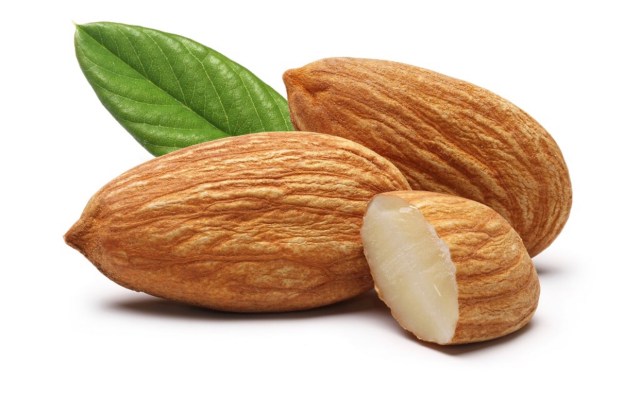
Almonds

Almonds are the edible seeds of Prunus Dulcis, more commonly called the almond tree. They are native to the Middle East, but the US is now the world’s largest producer.

The almond nut produces almond milk, oil, butter, flour or paste and boasts an impressive nutrient profile.

Almonds are highly nutritious and rich in healthy fats, antioxidants, vitamins and minerals.

They are full of antioxidants which makes them a perfect source of protecting cells from oxidative damage, a major contributor to aging and disease.

Almonds are high in vitamin E which builds cell membranes in the body, also protecting your cells from oxidative damage. Studies have linked higher vitamin E intake with lower rates of heart disease, cancer and Alzheimer’s disease.

Almonds also aid in blood sugar control. The nuts are low in carbohydrates but high in healthy fats, protein and fibre, making them a perfect choice for people with diabetes.

Almond nuts are also filled with magnesium, a mineral which helps to lower blood pressure levels.

The pulp of the almond is known to reduce the risk of heart disease.

There are almonds all over Jamaica, eat the pulp and snack on the nuts and enjoy nature’s bounty

Otaheite Applee

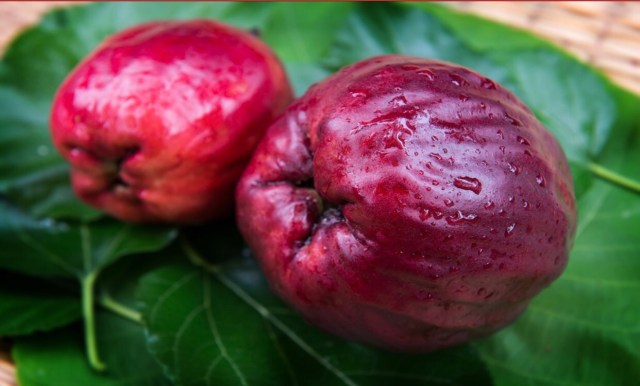
Scientifically known as Syzygium malaccense, the otaheite apple (also known as Malay apple, mountain apple and rose apple) is a species of flowering tree native to Malaysia.

It was introduced in Jamaica in 1793 and is today a treasured fruit in the island.

Indeed, Jamaicans love their otaheite apple for tasty and healthy reasons. A red fleshy fruit that is shaped similar to an American pear, the apple goes fast when in season.

The best tasting ones are the ones with a deep purple colouration. It is commonly eaten raw, freshly picked off the tree, but is also regularly used to make a refreshing juice.

This apple is not only easy on the taste buds but is also easy on the body given the number of health benefits to be derived from consuming the fruit which is rich in vitamins and minerals, as well as organic compounds.

The otaheite apple contains flavonols, phenolic compounds, sequiterpenes, and some amount of carotenoids, all of which act as antioxidants which help to ward off the effects of several forms of cancer.

With significant levels of vitamin A and C, the otaheite apple helps to improve vision, promotes healthy hair, prevents the development of cataracts, nourishes the skin and boosts the immune system.

The iron in the fruit helps to build strong bones while the high level of fibre is good for the digestive system of the body.

The otaheite apple is also used in the treatment of diabetes, as it serves as a substitute for regular sugar. The sugar content in the fruit is low, but high enough to meet the needs of the body.

Some of this content was taken from www.my-island-jamaica.com

Cashew

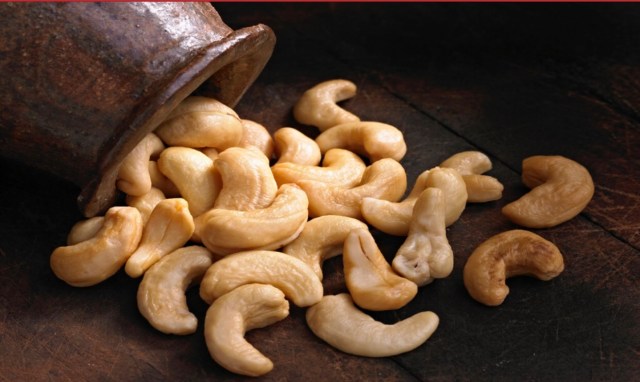
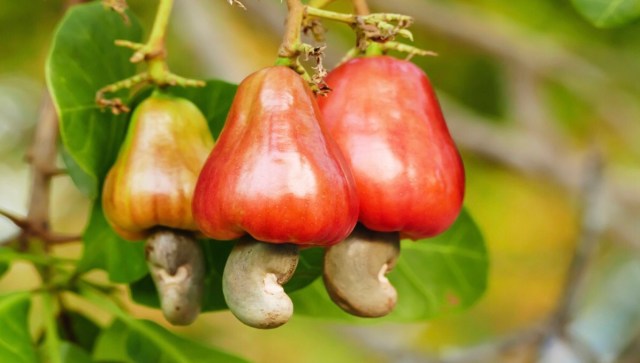
Native to the coastal areas of north-eastern Brazil, the cashew tree is unique in that it produces both a fruit and a nut. It belongs to the family of Anacardiaceae which also includes mangoes and pistachios.

Cashew nuts, which are more popular than the fruit in Jamaica, can be eaten roasted or plain. They are added to many dishes and salads, cookies, biscuits, and ice cream. Each ounce of cashew contains around 160 calories, so it’s best to limit yourself to a handful (16-18 nuts) a day.

Still, it boasts a wide range of health benefits including boosting heart health, strong nerve and muscle function, and improving bone and oral health. The cashew also staves off the effects of diabetes, anemia and gall stones. By offering an antioxidant defense, they also encourage a better immune system.

Cashews are very nutritious and are packed full with proteins and essentials such as copper, calcium, magnesium, iron, phosphorous, potassium and zinc. They also have a small portion of sodium.

A USDA National Nutrient Database study has revealed that cashews also contain vitamin C, vitamin B, thiamin, folate, vitamin E and vitamin K. They are also a source of oleic acid and provide a good quantity of monounsaturated fat and low amounts of polyunsaturated fats with no cholesterol content when consumed in moderation.

Cashews are a good source of healthy dietary fats, which are vital for our body to absorb the fat-soluble vitamins, and produce fatty acids that are crucial for the development of the brain and blood clotting.

The fruit has great health benefits also as it contains anti-bacterial properties and is effective in treating stomach ulcers and gastritis. The juice from cashew fruit is rich in vitamin C and also has antioxidants, attributes which make it widely used in the cosmetic industry including in the preparation of various creams and shampoos.

However, one should be careful not to consume too much of the fruit in one sitting as it contains oxalate salts which interfere with the absorption of calcium in the body. This can result in the formation of kidney stones.

Also, they can be harmful to persons who are allergic to tree nuts.

That aside, cashews are a healthy option to be included in the diet. If consumed in appropriate amounts; they can help maintain a robust and steady state of health.

Passion Fruit

Native to an area that stretches from southern Brazil to northern Argentina, the passion fruit is a tasty, tropical produce.

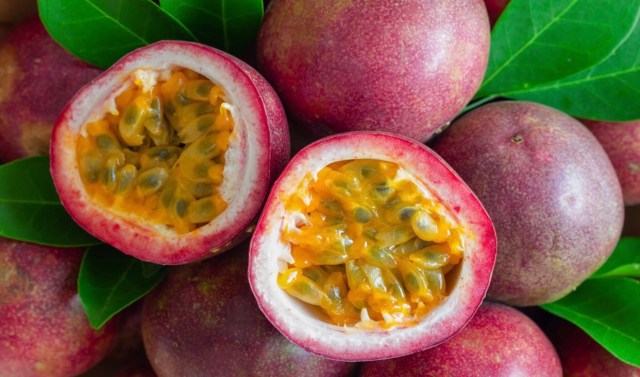
It grows from a vine in the Passiflora family. The oval shaped fruit grows in warm climates around the world including in the Caribbean, South America and Asia. It is yellow or dark purple when mature.

Passion fruit contains a soft pulp and lots of seeds inside a hard rind. The fruit can be consumed raw, pulped or as a refreshing juice. Its distinctive aromatic flavour also goes well when blended with other fruit juices.

What’s more, the exotic fruit has a range of health benefits.

Antioxidants play a vital role in keeping the body systems healthy because of their ability to improve blood flow, especially to the brain and nervous system.

They also reduce cellular stress and reduce inflammation in the body, both of which have links to diseases, such as heart disease and Alzheimer’s disease.

Passion fruit pulp contains a lot of dietary fibre, a crucial part of a healthy diet. It helps regulate the digestive system and keep the stomach healthy, preventing constipation and bowel disorders.

According to the American Heart Association, fibre also has benefits in reducing cholesterol and boosting heart health.

Passion fruit has a low glycemic index value. This means that it does not cause a steep increase in blood sugar after eating it, making it a good option for people with diabetes. Recent research suggests that a compound found in passion fruit seeds could improve a person’s insulin sensitivity. Improving insulin sensitivity can help reduce the risk of many diseases, including diabetes.

Passion fruit is rich in vitamin C, which is an antioxidant that helps protect the body from damage caused by free radicals. Vitamin C boosts the immune system by helping the body absorb more iron from plant-based foods, and may improve the body’s ability to fight off infections.

The fruit also supports heart health and eating passion fruit may help to normalize blood pressure. Diets low in sodium and rich in potassium help to decrease blood pressure.

Passion fruit is also rich in magnesium, an important mineral that scientists have linked with decreased stress and anxiety.

Sweetsop

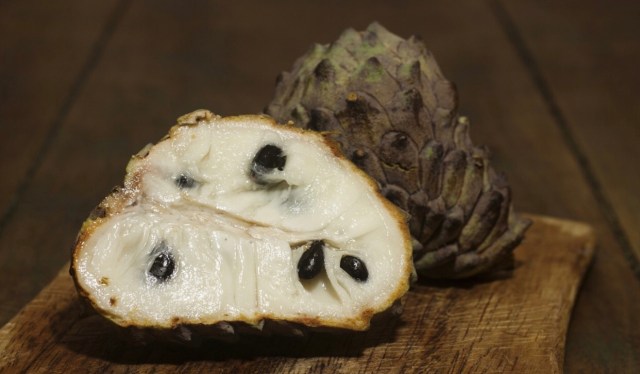
The sweetsop, also known as sugar-apple or chermoyas, are native to the West Indies and South America.

Soft and chewy with a hard exterior, the fruit is considered a delicacy and is rated highly among fruit lovers in Jamaica. With its high calories and natural sugars, sweetsops are great as a dessert and as a nutritious snack.

Sweetsop contains a high volume of vitamin A, which is great for healthy skin, healthy hair and better eyesight. It also helps in moisturisation and anti-aging. The creamy flesh or pulp can be used as a balm to treat boils and ulcers. The outer skin of sweet sop has been known to be used to treat tooth decay and gum pain.

The fruit is also very good for pregnant women as it helps develop the brain, nervous system and immune system of a fetus effectively. Regular consumption of the sweet sop also reduces the risk of miscarriage during pregnancy and minimises the extent of labor pain during childbirth. The tasty fruit also assists an expectant mother to bear out morning sickness, fight nausea, numbness and mood swings. Regular consumption during pregnancy also aids in the production of breast milk.

A high vitamin B6 content in the sweetsop makes it an excellent candidate in the reduction of bronchial inflammation and helps prevent asthmatic attacks.

The fruit is also known to ward off heart attacks due to its magnesium content which can also help relax the muscles. Moreover, vitamin B6 in sweetsop helps prevent homocystein collection which also minimizes the risk of heart diseases.

Sweetsop is rich in copper and dietary fibre, which helps assist digestion, helps ease bowel movements and relieves constipation.

The high content volume of dietary fibre in sweetsop helps slow down the absorption of sugar and reduces the risk of developing type-2 diabetes.

Sweetsops are good sources of potassium and magnesium, which help keep the blood pressure levels in control. For those with fluctuating blood pressure levels, a sweetsop a day will help in stabilising the blood pressure.

Onion

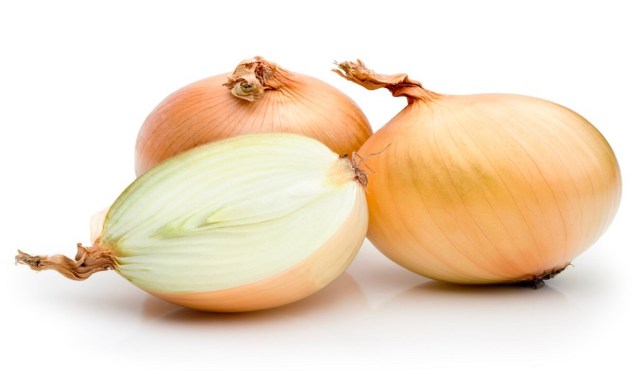
Part of the allium family of vegetables and herbs, which also includes chives, garlic, escallion and leeks, onions are very good for you.

Onions can vary in size, shape, colour, and flavour, which can be sweet and juicy to sharp, spicy, and pungent, often depending on the season in which they are grown and harvested.

The most common types are red, yellow, and white onions. They have been used as food for thousands of years; in ancient Egypt, they were worshiped and used in burial rituals.

Onions are high in vitamins, minerals, and antioxidants.

Among the reported health benefits of consuming onions is that it lowers the risk of several types of cancer.

Indeed, allium vegetables have been studied extensively in relation to cancer, especially stomach and colorectal cancers.

In a paper, published by the Journal of the National Cancer Institute, researchers used a population-based, case-controlled study to investigate the relationship between onion intake and prostate cancer. They found that men with the highest intake of onions had the lowest risk of prostate cancer.

Frequent intake of onions has been shown to reduce the risk of esophageal and stomach cancer. Several survey-based human studies have demonstrated the potential protective effects of consuming alliums, as well as reports of tumor inhibition of allium compounds in animal experiments.

Other benefits of onions include improving mood, and maintaining the health of skin and hair. Many studies have also suggested that increasing consumption of onions decreases the risk of overall mortality, diabetes, and heart disease.

Folate found in onions reportedly may help to reduce depression. Homocysteine prevents blood and other nutrients from reaching the brain, and folate prevents this chemical from building up.

Onions are high in vitamin C, which is needed for the building and maintenance of collagen, which provides structure to skin and hair.

Onions are known to make you cry when chopping or cutting them. This is due to the presence of a gas called syn-Propanethial-S-oxide.

Guava

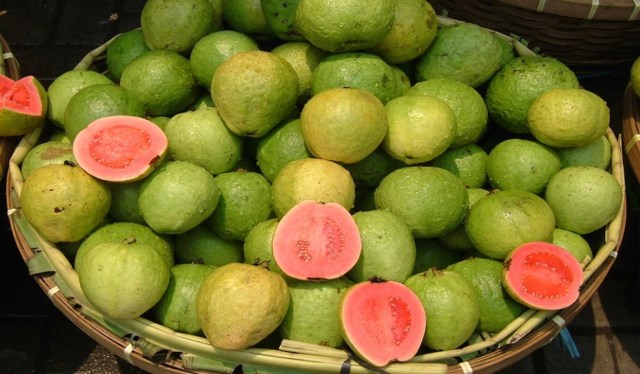
Guava is a sweet and delicious fruit cultivated in tropical climates. Scientifically known as Psidium guajava, the seasonal fruit is filled with high concentrations of unique minerals and vitamins that have many health benefits.

The guava is most times round or pear-shaped. The fruit is light green, yellow or maroon in color when it ripens. It has white or maroon flesh, depending on its type, and has small hard seeds enveloped in its soft, sweet pulp

The common types of guava include apple guava, yellow-fruited cherry guava, strawberry guava, and red apple guava. Guava is mostly eaten raw (when ripe or semi-ripe) or consumed in the form of juices, jams, and jellies.

Guava is believed to have originated in Mexico or Central America. It is now very popular in Asian countries and is also increasingly available in American countries, particularly after its health benefits have been discovered.

This guava is loaded with nutrients. The USDA National Nutrient Database describes guava as a good source of energy, dietary fibre, vitamins, and minerals. The guava fruit contains C, A, E, and B vitamins, in addition to potassium, phosphorus, magnesium, calcium, sodium, and zinc.

The vitamin C in guavas is four times higher than that found in oranges, and helps to boost the immune system. According to a study published in 2006, the antioxidants in the fruit help the body ward off the growth of free radicals which are one of the main causes of cancer and heart diseases.

Guava also helps to stave off the effects of diabetes. Its dietary fibre content has a beneficial effect on lowering blood glucose levels in the body.

Research published in the American Journal of Cardiology found that guava helped reduce LDL cholesterol levels and blood pressure in study participants.

Guava is also a good source of copper, which is essential to regulate the body’s metabolism by helping to control hormone production and absorption. The thyroid hormones play a significant role in energy regulation and metabolism in the body.

The leaves are just as effective as the raw fruit as the astringent qualities add substance to loose bowels and reduce the symptoms of diarrhea. These astringents are alkaline in nature and have disinfectant and anti-bacterial properties, thus helping against dysentery by inhibiting microbial growth and removing extra mucus from the intestines.

The presence of B vitamins, B3 and B6 in guava stimulates cognitive brain function, thus making it a good source to fight off brain disease.

Guava seeds can be consumed without any negative effects. They can help bulk up your stool and will pass through your system without any problem.

Naseberry

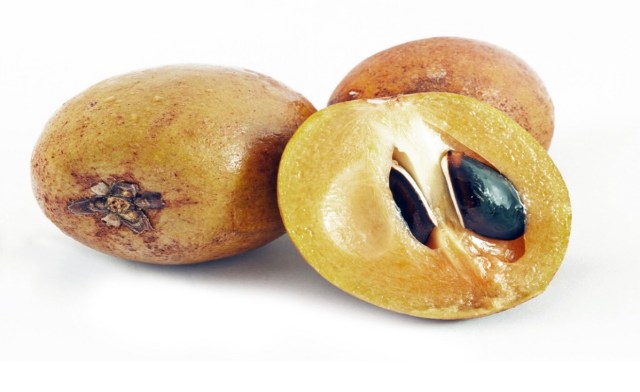
Most berries are small in nature, but the naseberry has one up on them with its size and sweet, succulent flesh.

The fruit is native to Asia but is grown in most tropical countries today where they flourish even in the wild.

The naseberry is very nutritious and has a raft of health benefits.

The fruit has a high fibre content which assists to boost the digestive system. This helps the body in the absorption of important nutrients.

Consuming the fruit also adds energy due to the amount of carbohydrates present. Not to mention the sugar content that can be processed into carbohydrates. Therefore, this is one of the fruits that will bring back the energy of the body after consumed.

Naseberries are also rich in antioxidants which makes them ideal to eliminate the effects of free radicals. The antioxidants also help as anti-cancer agents by replacing toxic matter and bad cells.

The naseberry is also a great immune booster, as is any fruit with a high content of Vitamin C.

This wonder fruit also optimises the quality of the respiratory system because it is a great warrior against mucus, which helps, among others, sufferers of asthma.

Design a site like this with WordPress.com
Get started