Tamarind

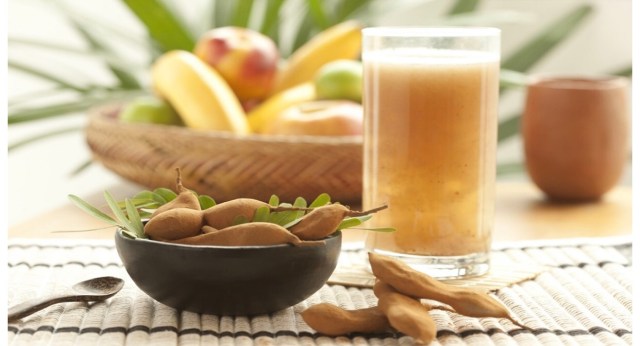
Tamarind – scientific name, Tamarindus indica – is both delicious and beneficial for the body.

It mostly grows in the tropics including Jamaica and has a distinct sweet and sour flavour.

It is used in many parts of the world in sauces and dishes; however, Jamaicans mostly consume it as confectionery (tamarind balls) or drinks.

The benefits to the human body of tamarind are great and it is advised that more people consume this ‘miracle fruit’.

Tamarind is known to support a healthy heart; inhibit diabetes; boost the immune system; help prevent heat stroke; support weight loss; aid development of muscle and nerves; support digestion and help prevent ulcer. Other benefits include preventing cancer, slowing down the aging process and helping to fight cold and flu.

The leaves of the tree are used as a treatment for chicken pox in Jamaica and other parts of the Caribbean.

It is packed full of nutrients and has a high calcium content as compared to other fruits.

It contains tartaric acid, malic acid and potassium, which are all components that help promote a health digestive system. What’s more, the potassium in tamarinds widens the blood vessels and controls your blood pressure by reducing the stress on the arteries and other vessels.

A crucial compound in tamarind has been observed to prevent the absorption of carbohydrates which often leads to diabetes.

Tamarinds also have antimicrobial and antiseptic properties that lead to a strong immune system.

Cancer is caused due to the growth of cells that thrive on free radicals. As a powerhouse of antioxidants, tamarinds will promote antioxidants in the body, causing cancerous cells to die.

Cucumber

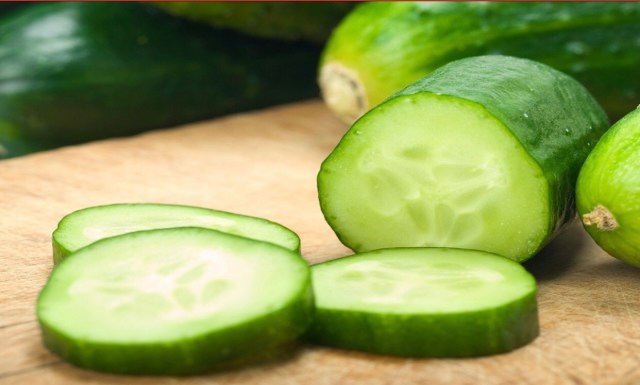
Even though most people use the cucumber in vegetable salads, it is actually a fruit.

Cucumbers are of the same family as watermelon and squash and are highly nutritious and tasty delicacies.

The cucumber is popular in most parts of the world and is widely used in Jamaica and the Caribbean.

When blended into a juice and mixed with lime and ginger, it makes a refreshing drink which is great for dehydration.

Cucumbers are low in calories and have high water and soluble fibre content, making them a good source in the promotion of hydration and weight loss.

The fruit is used to counter the effects of sunburn and there is ongoing research to confirm that it is rich in a compound that may help in the fight against cancer. The fruit contains a compound known as lignan which is being used to counter the effects of heart disease.

Cucumber is also known to contain healthy portions of Vitamin K, which is essential in promoting bone health.

For years, beauticians have used cucumber for the promotion of skin health and it is not uncommon to see persons using a slice of the fruit over their eyes while basking in the sun. It is also widely used in lotions and skin creams.

Studies have shown that cucumbers may also aid in the lowering of blood sugar levels, however additional research is needed.

String Beans

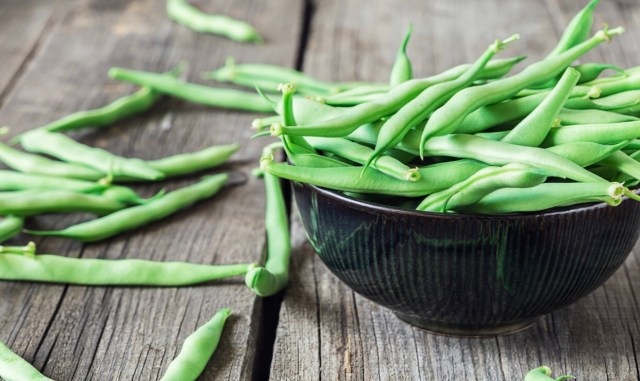
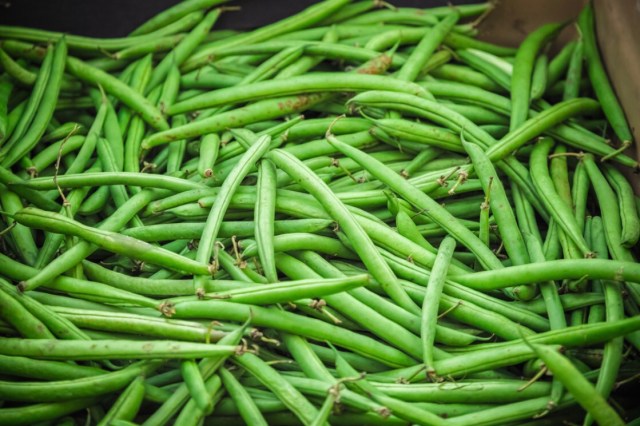
The legume known as string beans is a staple in Jamaican salads. Whether eaten boiled or raw, it is a rich source of vitamins A, C, and K, and fibre and folic acid.

There are more than 130 varieties of the green beans, which is also available in the canned variety, making it high in sodium. It is, therefore, best to have them straight from the farm.

String beans also contain folate, thiamin, riboflavin, iron, magnesium, and potassium.

They are known to ward off the effects of cancer as they contain a high amount of chlorophyll, which is also great for blocking the carcinogenic effects of grilling meats.

For women of child-bearing age, consuming more iron from plant sources such as green beans appears to promote fertility.

According to the United States Department of Agriculture (USDA) National Nutrient Database, one standard cup of canned snap beans (about 150 grams) contains:

•28 calories
•0.55 grams (g) of fat
•5.66 g of carbohydrate
•2.6 g of fibre
•1.94 g of sugar
•1.42 g of protein

String beans terms of nutrients, it contains:

•17 milligrams (mg) of calcium
•1.2 mg of iron
•18 mg magnesium
•30 mg of phosphorus
•130 mg potassium
•24 micrograms (mcg) of vitamin A
•52.5 mcg of vitamin K
•32 mcg of folate

Spinach

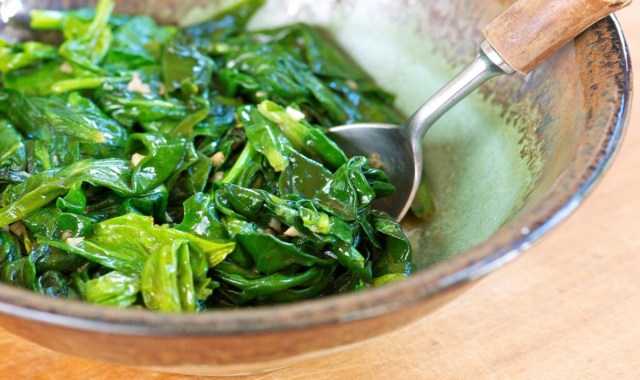
In the animated world, the green, leafy vegetable known as spinach made the character Popeye into a man of super strength. While it may not do the same for us, spinach is a wonder food filled with nutrients and health benefits.

The plant is scientifically known as Spinacia oleracea. It belongs to the amaranth family which includes beet and quinoa.

Consuming spinach promotes improved eyesight, helps prohibit the debilitating effects of the dreaded cancer and reduces blood pressure and stress, among other health benefits.

Spinach is a great source for a number of essential minerals and vitamins including folate, which contributes to the reduction of hypertension and relaxes blood vessels; vitamin A, which is good for the maintenance of the immune system and good vision; vitamin C, to tone the skin and boost immune capabilities; folic acid, necessary to keep the body’s cells functioning properly and a must have for pregnant mothers; and vitamin K1, essential to stop blood thinning.

Its iron content is also very good for consumption as it aids in the creation of hemoglobin, which transports oxygen to body tissues.

Spinach also contains several other vitamins and minerals, such as potassium, magnesium, and vitamins B6, B9 and E.

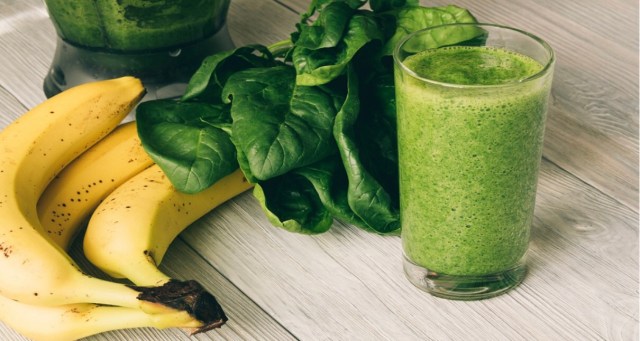
It can be eaten raw as part of a salad or can be cooked and had as a side in a meal. It can be also added in recipes for soup, and blended for consumption in a delicious smoothie.

Avocado/ Pear

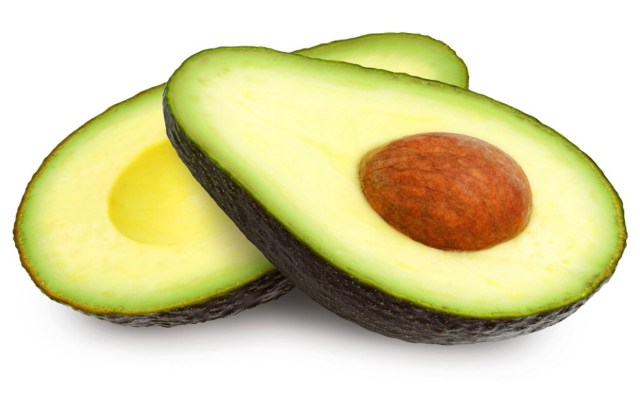
The avocado is a tropical fruit that thrives in tropical and sub-tropical climes.

Popularly called “pear” in Jamaica, the fruit is very widely consumed in the island and across the Caribbean.

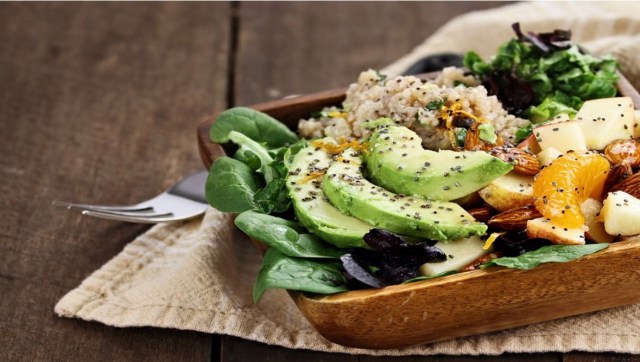
Some of the many ways it can be consumed include in salads, on the side of almost any meal, in guacamole, with bread or as part of the Jamaican favourite, ‘bulla and pear’.

It doesn’t just taste good. Avocado is a wonder fruit and has many health benefits.

It contains soluble fats, fibre, vitamins, minerals, antioxidants, and phytosterols. Eating avocados regularly will boost heart health, improve digestion, make for a healthy liver and aid in weight management. The fruit also helps keep the eyes healthy due to its high lutein content. It is also a very good way to protect the skin from aging.
According to the USDA National Nutrient Database, avocados contain minerals including calcium, iron, magnesium,potassium, copper, manganese, phosphorus and zinc. They also have high levels of vitamin A, K, C, E, B6, thiamin, riboflavin, and niacin (vitamins B1, B2, B3, respectively).

When eaten raw, the fruit is most beneficial to the health, and the compound Beta-sitosterol assists in maintaining healthy cholesterol levels.

Avocados are a good source of potassium which makes the fruit a perfect defense against hypertension as potassium helps to maintain a normal heart rate. Eating potassium-rich foods like avocados reduces blood vessel and artery tension which regulates blood pressure. This may help reduce the risk of clotting, heart attacks, and strokes.

The fruit is also an excellent aid for the intestines and aids digestion as it contains soluble and insoluble fibre, which help to keep the digestive system in good working order. These fibres are essential to the digestion process because they bulk up stools and help ensure the smooth passage of food through the intestinal tract. Avocados also reduce the symptoms of constipation and diarrhea.

Avocados enrich dry, chapped or damaged skin. They are added to many cosmetics and also used for nourishing dry and damaged hair.

Also, avocados are great for reducing the inflammation of tissues, joints, and muscles.

Consumption of avocados helps in preventing halitosis (bad breath). The root cause of bad breath is indigestion or an upset stomach. Avocados improve digestive health and also kill the bacteria in your mouth.

Avocados are also a very good source of food to aid in reducing liver damage. These organic compounds help in improving liver health. Findings of a research study published by the American Chemical Society suggest that avocados may play a major role in toning up and protecting your liver from a wide variety of conditions.

The inclusion of avocado in the diet of a pregnant woman may help in lowering risk of Vitamin K deficiency in a newborn child as the fruit has a very high amount of vitamin K (almost 40 percent of the daily requirement in a single serving!)

Morning sickness is a very common feature of pregnancy. Avocados can help overcome nausea and queasiness as it contains vitamin B6, which is commonly connected to reducing nausea and vomiting.

Avocado contains carotenoids and monounsaturated fat, both of which are associated with the reduction of cancer. Avocado also contains glutathione, an antioxidant that protects the cells from cancer and the dangerous effects of free radicals.

The fruit is a very useful source of natural energy for athletes who must maintain optimal nutrition to fuel their body. Avocado provides vital nutrients and healthy fats to athletes to maintain energy levels and good health. They also contain phytochemicals that are a natural fuel source for the body.

However, the fruit does have some side effects if too much of it is consumed in one go. It may result in migraine headaches, nausea, vomiting and sensitivity to light.


Leaf of life

Also known as the miracle leaf, life plant, Goethe plant, the Mexican love plant and as its scientific name Bryophyllum pinnatum, the leaf of life is a popular house plant that has been linked to numerous health benefits.

The plant is native to Madagascar but is grown in most tropical areas including Jamaica where it is widely used as a herbal remedy to treat respiratory conditions such as asthma, colds, coughs, shortness of breath and bronchitis. It is usually consumed as tea, blended in juices or eaten raw.

The leaf of life is also said to be a great treatment for kidney stones. Science seems to be just catching up to this remedy as a study conducted in 2014 revealed that rats given a treatment containing the plant extracts were less likely to develop kidney stones. Those rats given the treatment had reduced levels of urine oxalates, and those oxalates are typically what causes kidney stones.

Recent studies have also been conducted that show that the leaf of life may be beneficial for women who are pregnant. A study conducted on pregnant women suffering from sleep disorder were given 350 mg tablets that contained the plant extract. At the end of the study, the women reported experiencing fewer wake-ups and an improved quality of sleep. In this study, no adverse effects were reported on either mother or fetus.

Studies conducted on rats also suggest that Bryophyllum pinnatum may support anti-diabetic activity. In a 2008 study, diabetic rats were given dosages of either 200, 400, or 800 mg per kg body weight per day. All dosages were shown to be effective in lowering blood sugar in the diabetic rats, and the treatment also reduced the levels of triglycerides. In a 2014 study, the same results were garnered.

The leaf of life reportedly also has anti-microbial compounds that benefit the skin and has been used to treat minor injuries. Applying a poultice to injuries helps to ease pain, promote faster healing, and prevent infection, according to numerous studies.

West Indian Cherry

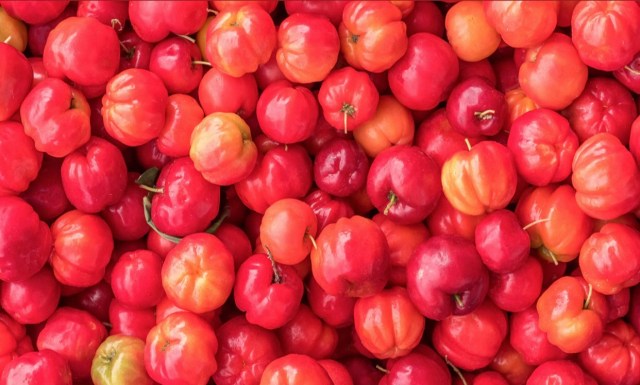
Popularly known as the West Indian Cherry, Acerola is a bushy shrub which bear fruit that feature a marble-sized, dark purple delicacy.

Despite how small the cherry may seem, it packs a huge healthy punch

The West Indian Cherry is very low in calories and offers many health benefits due to its rich vitamin and pigment anti-oxidant content.

It can be eaten on its own but is often consumed as a juice, which is very refreshing.

The cherries possess the highest concentration of vitamin C in almost the entire fruit/berry kingdom. Consuming a healthy portion of foods rich in Vitamin-C assists the human body develop resistance against infections and rid it of harmful free radicals from the blood.

Consuming the West Indian Cherry will help to boost immunity, protect the body from cancers, aging, degenerative diseases and inflammation.

Recent research has suggested that the compound known as chlorogenic acid in these cherries may lower blood sugar levels and control blood glucose levels in type-II diabetes.

Eating cherries also helps the body break down carbohydrates, protein, and fats. They also contain a modest amount of minerals and electrolytes such as potassium, manganese, copper, iron, and zinc.

Pumpkin

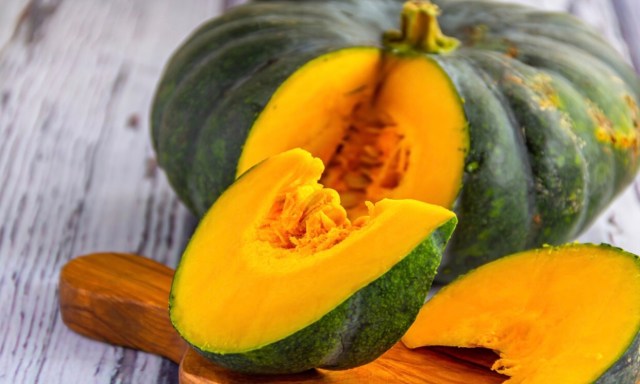
Pumpkin is a highly nutritious fruit that grows on a plant.

It is rich in vitamins and minerals but low in calories. Pumpkin seeds, leaves, and juices are all healthy to consume.

Pumpkins are filled with potassium which make them very good for persons suffering from high blood pressure. Increased potassium intake is also associated with a reduced risk of stroke, protection against loss of muscle mass, and preservation of bone mineral density.

Also among the fantastic health benefits of pumpkins, is the fact that the fruit is one of the best-known sources of beta-carotene, a powerful antioxidant.

Consuming foods rich in beta-carotene may reduce the risk of developing certain types of cancer, offer protection against asthma and heart disease, and delay aging and body degeneration.

Specifically, recent research has suggested a positive relationship between a diet rich in beta-carotene and a reduced risk of prostate cancer. Beta-carotene has also been shown to hold back the development of colon cancer.

Pumpkins are also a powerful source of fibre, which slows the rate of sugar absorption into the blood, as well as promote regular bowel movements and smooth digestion. A healthful fibre intake can also help reduce the risk of colon cancer.

Star Apple

The star apple is a tropical evergreen tree or fruit of the Sapotaceae family. It is native to the Caribbean and Central America but is grown in tropical countries across the world.

It is also called Caimito, Milk Fruit, Satin Leaf, Star Plum and West Indian Star Apple.

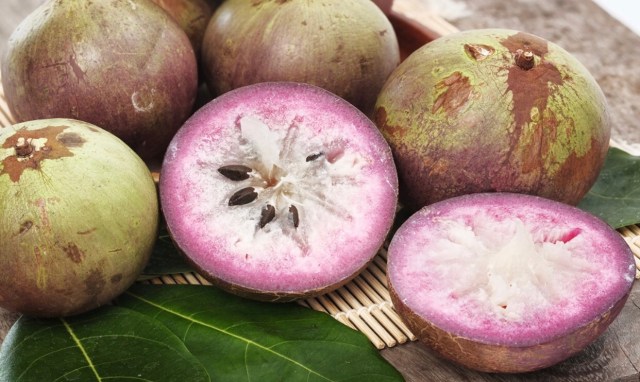
The fruit usually comes in two forms – either green-skinned with clear white pulps or purple-skinned with red-purple flesh. The inside takes the shape of a star.

The flesh of the fruit is very succulent and goes well in salads and dishes.

It doesn’t just taste good. The star apple is also a good source of nutrients, vitamins and minerals.

Its pulp provides an adequate dose of vitamin C, calcium and phosphorous, and has been used to treat sore throats and reduce the inflammation associated with pneumonia and laryngitis.

It is rich in phytochemicals or antioxidants, which are known to help to prevent certain cancers and support a healthy immune system.

The seeds can be used as a tonic and diuretic and has also been known to treat diarrhea.

Eat them when you can as they are ‘stars’ among fruits

Design a site like this with WordPress.com
Get started