“Duppy Gun”

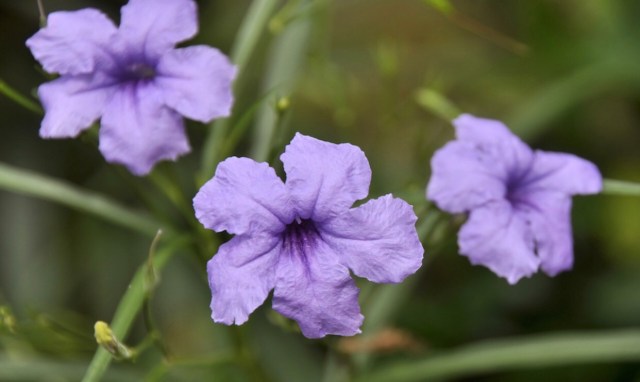
Ruellia Tuberosa, popularly known as ‘Duppy Gun’ in Jamaica, is a flowering plant species that is a member of the Acanthaceae family.

Children often have fun with the plant which has pods with seeds that pop loudly when doused with water, hence the name ‘Duppy Gun’.

Ruellia Tuberosa is also known, in other cultures, as Fever Root, Minnie Root or Sheep Potato. The plant is relatively small and features thick spindle-shaped, tuberous roots.

The plant thrives in moist, shady environments and features funnel-shaped, violet coloured flowers.

In Jamaica, many persons do not know that this plant is very good in combating the effects of gastritis. The roots and leaves can be steeped in boiling water for a few minutes. It can be sweetened with honey or consumed without any sweetener.

Duppy Gun has been said to be very good for the production of semen in males and is said to be a great aphrodisiac. Indeed, the plant is often used as an ingredient in roots drinks.

A tea made from the plant is also used to combat coughs, colds and the flu. It is also used as a remedy for inflammation of the stomach and intestines, constipation and general stomach ailments.

Some of the information for this article was taken from https://www.islandherbsandspices.com

Susumba

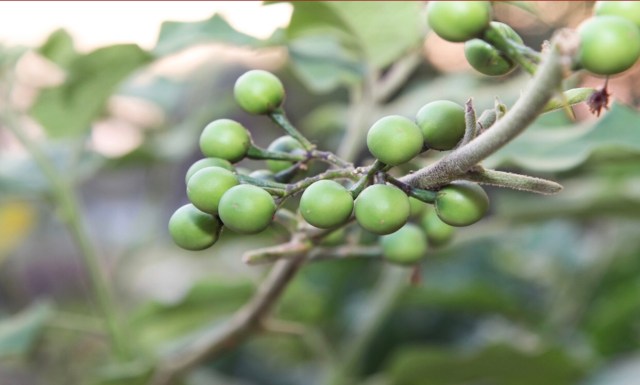
Susumber, or ‘Susumba’ as we know it in Jamaica, or the Turkey Berry, is scientifically known as Solanum Torvum.

The berry is also known as Gully Bean, Plate Brush, Devils Fig, Pea Eggplant, Bhankatiya, Pea Aubergine, Wild Eggplant and many other names. It is native to Central and South America and currently found in those regions as well as India, Africa, China, Thailand, the Caribbean, and parts of the US.

It grows in a wide range of habitats throughout the tropics and subtropics. It grows best in warm moist fertile conditions, but once established it can withstand drought by shedding its leaves. This plant is seen on vacant lands, roadsides, pastures, river banks, and other such areas.

Susumber is an erect, branched, slender perennial shrub, two to three metres tall and two centimetre in diameter, and is sparingly armed, densely pubescent overall with many greyish stellate hairs. It is normally found growing in locations with full sunlight and does well in light shade or shade for part of the day, but cannot survive under a closed forest canopy. It is quite drought tolerant and is adaptable on a wide range of soils.

Susumber is used in household meals, giving it a somewhat bitter taste. Apart from that, the ‘gully beans’ are said to have some amazing healing benefits that are highlighted below:

1. Protection from Cancer

Susumber is antibacterial, anti-fungal, and helps to stop the excessive cell growth making it significant for cancer. Research shows that extract of Turkey Berry can help to protect against lung cancer.

2. Treatment of Diabetes

Diabetes is one of the lifelong conditions that cause a person’s blood sugar level to become too high. Dried powdered berries are used in meals to lower blood sugar.

3. Treatment of Indigestion and diarrhea

Regular consumption of gully beans is considered good for digestion and helps to treat indigestion, stomachaches, diarrhea as well as other digestion related problems. These berries are capable of neutralizing acid in the stomach making them significant for healing gastric ulcers.

4. Prevention of cardiovascular diseases and strokes

Turkey berries consist of saponins, flavonoids, torvosides, alkaloids, glycosides, tannins, cholorogenome, etc. which are actually powerful antioxidants that help to prevent cardiovascular disease, strokes and cancer. The dried berries made into a powder helps to lower blood pressure and prevent heart attacks. So including fresh or dried turkey berry is extremely beneficial for dealing with cardiovascular diseases and strokes problems.

5. Prevention of Pains, redness and gout

The berries help to flush out uric acid therefore helping to prevent or reduce pain, redness and symptoms of gout. Apart from that, Susumba leaves consist of a powerful anti-inflammatory agent and natural steroids called soasoline which is great for arthritis, lower back pain and swelling, and pain in general. Sumber is therefore very important for health since inflammation is the first step towards all diseases.

6. Prevention and healing of Colds and flu

Apart from its health promoting benefits, turkey berries are also said to help in preventing and healing colds and flu. Use the berries to prepare soup and consume frequently to overcome cold and flu symptoms.

7. Treatment of phlegm and mucus

Including turkey berries in your regular diet help to get rid of phlegm and mucus. Dry the berries and make into powder, this will dry up the mucus, helps with asthma, coughing, lung inflammation etc.

8. Prevention and treatment of kidney disease

According to Dr Paul Haider, research shows that the berries can also help to prevent and treat kidney disease and even reverse tubular necrosis and glomerular congestion, thus making it important for treating kidney disease.

9. Regulate menstruation

Frequent consumption of turkey berries help to regulate menstruation and so help with regular menstrual periods. So anyone with menstrual problems can include turkey berry in their regular diet to solve all the associated problems.

10. Treatment of Anaemia

Turkey berries contain lots of iron which is extremely beneficial for treating anaemia. They encourage production of red blood cells. Apart from that berries can also be used in soups and consumed on a regular basis to increase red blood cell production.

11. Prevents intestinal worms

Regular intakes of the berries help to prevent the development of worms within the intestine. Dried and powdered berries can also be added to gravies and eaten for better result.

Some of the information used in this article was taken from http://agrihomegh.com/health-benefits-turkey-berries/

Mango

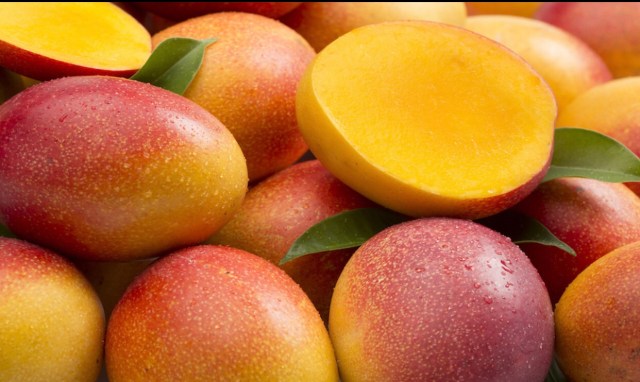
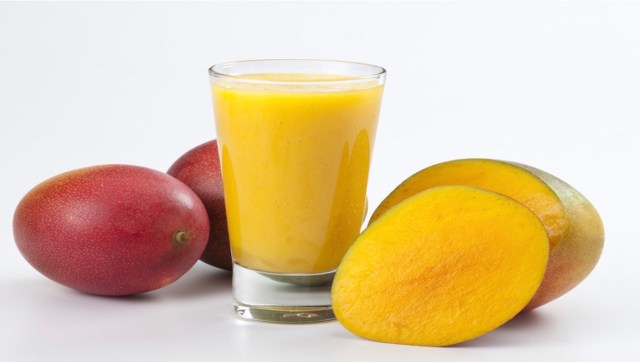
Mangoes are a popular tropical fruit that is common in Jamaica and is enjoyed by many. Indeed, Jamaicans go crazy over this fruit that comes in many shapes and sizes.

Mango is low in calories but full of nutrients. One cup (165 grams) of sliced mango provides:

– Calories: 99

– Protein: 1.4 grams

– Carbs: 24.7 grams

– Fat: 0.6 grams

– Dietary fiber: 2.6 grams

– Vitamin C: 67% of the Reference Daily Intake (RDI)

– Copper: 20% of the RDI

– Folate: 18% of the RDI

– Vitamin B6: 11.6% of the RDI

– Vitamin A: 10% of the RDI

– Vitamin E: 9.7% of the RDI

– Vitamin B5: 6.5% of the RDI

– Vitamin K: 6% of the RDI

– Niacin: 7% of the RDI

– Potassium: 6% of the RDI

– Riboflavin: 5% of the RDI

– Manganese: 4.5% of the RDI

– Thiamine: 4% of the RDI

– Magnesium: 4% of the RDI

The mango also contains small amounts of phosphorus, pantothenic acid, calcium, selenium and iron.

Mango is packed with polyphenols — plant compounds that function as antioxidants.

It has over a dozen different types, including mangiferin, catechins, anthocyanins, quercetin, kaempferol, rhamnetin and benzoic acid. Antioxidants are important as they protect your cells against free radical damage. Free radicals are highly reactive compounds that can bind to and damage your cells.

Research has linked free radical damage to signs of aging and chronic diseases.

Mango is also a good source of immune-boosting nutrients.

One cup (165 grams) of mango provides 10 per cent of your daily vitamin A needs. Vitamin A is essential for a healthy immune system, as it helps fight infections. Not getting enough vitamin A is linked to a greater infection risk.

On top of this, the same amount of mango provides nearly three-quarters of your daily vitamin C needs. This vitamin can help your body produce more disease-fighting white blood cells, help these cells work more effectively and improve your skin’s defenses.

Mango also contains folate, vitamin K, vitamin E and several B vitamins, which aid immunity as well

Mango contains nutrients that support a healthy heart. For instance, it offers magnesium and potassium, which help maintain a healthy pulse and your blood vessels relax, promoting lower blood pressure levels.

Mango also contains a unique antioxidant called mangiferin. Animal studies have found that mangiferin may protect heart cells against inflammation, oxidative stress and apoptosis (controlled cell death). In addition, it may lower blood cholesterol, triglycerides and free fatty acid levels.

It also has several qualities that make it excellent for digestive health. The fruit contains a group of digestive enzymes called amylases.These are digestive enzymes which break down large food molecules so that they can be easily absorbed.

Amylases break down complex carbs into sugars, such as glucose and maltose. These enzymes are more active in ripe mangoes, which is why they’re sweeter than unripe ones.

Moreover, since mango contains plenty of water and dietary fibre, it may help solve digestive problems like constipation and diarrhea.

One four-week study in adults with chronic constipation found that eating mango daily was more effective at relieving symptoms of the condition than a supplement containing a similar amount of soluble fibre (23). This indicates that mango has other components aside from dietary fibre that aid digestive health.

Mango is full of nutrients that help support healthy eyes. These accumulate in the retina of the eye — the part that converts light into brain signals so your brain can interpret what you’re seeing — especially at its core, the macula.

Inside the retina, lutein and zeaxanthin act as a natural sunblock, absorbing excess light. In addition, they appear to protect your eyes from harmful blue light.

Vitamin A – which mango is rich in – also supports eye health. A lack of dietary vitamin A has been linked to dry eyes and nighttime blindness. More severe deficiencies can cause more serious issues, such as corneal scarring. Vitamin A also encourages hair growth and the production of sebum — a liquid that helps moisturize your scalp to keep your hair healthy.

The fruit also promotes healthy hair and skin because of its vitamin C component, which is is essential for making collagen — a protein that gives structure to your skin and hair. Collagen gives your skin its bounce and combats sagging and wrinkles.

Some of this information has been taken from /www.healthline.comutrition/mango#bottom-line

Guinep

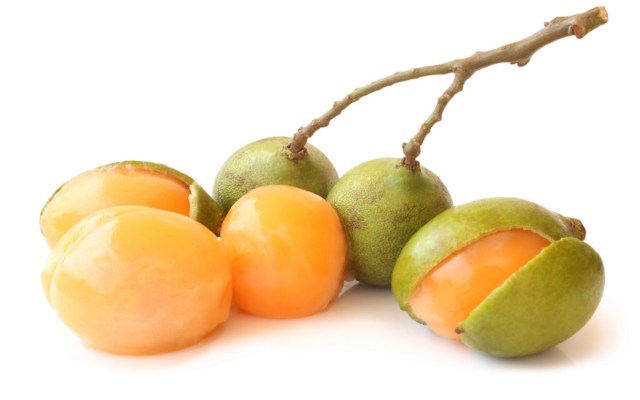
Guinep is a popular fruit in Jamaica and the Caribbean.

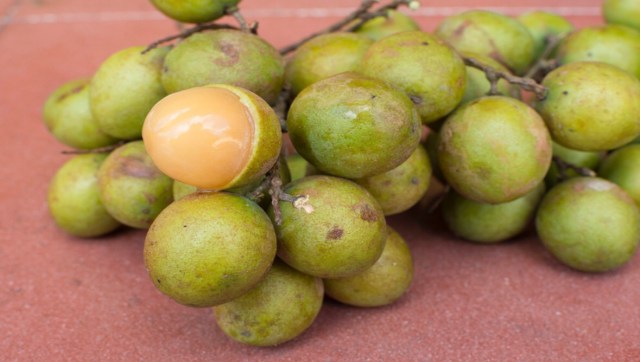
Green in colour, guinep is a tropical fruit that grows in bunches on a Mamoncillo tree. The outer skin of the fruit is peeled away, making way to a jelly-like fruit inside that has a large pit. Guinep has a big hard seed leaving only a little layer of the pulp.

The fruit has different names depending on the region. Among them are skinip, honey berry, mammon, mamoncillo, quenepa, and Spanish lime. It is a seasonal exotic fruit which is most abundant in the summer.

Naturalized in the tropical and subtropical areas of Southern America, Guinep has fast grown to different parts of the world, and at the moment is available even in supermarkets and grocery stores.

The delicious fruit is low in fat and calories, making it one of the best nutritional fruits available in the market today. According to Proactive Health, half a cup of guinep has a healthy composition: 1g Protein, 13.5-19.2g carbohydrates, 0.07-2.60g fibre, 15g calcium and 23.9 mg phosphorus.

Guinep grows best in warm environments as it is affected by freezing temperatures through frost damages.

The leaves of guinep trees can be boiled and taken as tea, which is good for treating intestinal problems.

Guinep fruit holds a place at the hall of fame of exotic fruits. It comes with surprising health benefits such as:

– Helps lower blood pressure due to the presence of amino acids (tryptophan and lysine)

– The presence of Vitamin A and C in the guinep fruit is essential for boosting the immune system

– Vitamin A also prevents the formation of Urinary stones

– The fruit is a source of dietary fiber and ferulic acid (found in the pulp tissues) which reduces the colon transit time hence it’s great in treating constipation and lowering cholesterol in the body

– Guinep has Calcium for strengthening bones and teeth

– Antioxidants (phenolic compounds) preventing cardiovascular disease and strokes

– Phosphorus, digestion and regulating hormones

– The presence of tryptophan makes the fruit a “sleep booster” as it helps in producing serotonin, the hormone that can affect sleep in the humans. This makes Guinep great for your mental health as serotonin is also responsible for improving your mood

– The fruit can be roasted then mixed with honey to treat digestive problems, such as stomach ache and diarrhea, due to its strong antioxidants properties

– Guinep has been used for some time by patients to treat herpes. This is due to the presence of amino acid called L-lysine which is known to inhibit the virus.

The easiest way to eat your guinep is to bite through the fruit skin until you get to the pulp. You put the entire fruit into your mouth and you suck the pulp on the pit until you get to the seed.

You can boil the seed and eat it, or get it roasted and crushed to use in baking bread and other foods. You can also make guinep juice, which is made from the jelly and tastes like a sweet lemonade.

Many people prefer to eat the fruit with salt, lime, powder and chili to spice it up.

Make sure that you eat only the ripe guinep, as the raw ones contain a lot of toxins. The seed of the raw guinep contains cyanogenic glycoside which changes into the poisonous hydrogen cyanide when consumed. Avoid giving the guinep to children, not even half the fruit, as its big seed size is considered to be a choking hazard.

Making guinep juice is not much of a task, you do not require any special skills or special know how. Just follow this simple direction for your perfect juice.

Among the ingredients you need to have are guinep, ginger, water, lime, and sugar.

Directions:

– Peel away the guinep skin to get the berry

– Place the berry in a medium container of hot boiled drinking water for 20 minutes or till cold

– Using a clean hand, get your hands in the bowl holding the seeds and rub the pulp off the seeds

– Add a little lime to the mixture for a sweet taste

Guinep has a strong stain that is hard to remove from clothes in case of spillage. In order to avoid ruining your clothes, you need to get rid of the stain as soon as possible.

Removing the guinep stain can be as easy as consistently pressing an ice cube on the surface using a paper towel or a rag until the stain lifts.

Some of this information was taken from https://trendiko.com/guinep-fruit-health-benefits/

Stinking Toe

Stinking toe is the fruit of the West Indian Locust, one of the largest trees in the Caribbean.

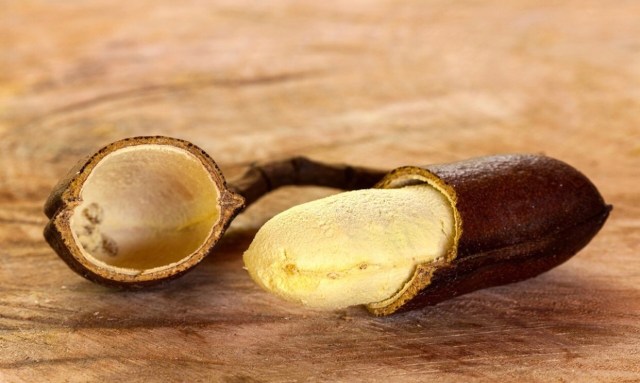
The fruit is held within a large brown pod that is shaped somewhat like a toe and, when the shell of the pod is broken, a repugnant odour is released – hence the name, stinking toe.

The fruit and the tree it grows on are botanically known as Hymenaea courbaril.

The stinking toe shell of the pod is very hard and is about five centimeters thick. Within the shell is a cream-coloured, powdery flesh. The texture is very dense and dry and the flavour is sweet, like powdered sugar.

The bark, leaves and flowers of the West Indian Locust tree have long been consumed by indigenous tribes in the South American, Brazilian, Peruvian, and Central American rainforest, particularly the Karaja Indians and the Creole of Guyana.

In Jamaica, the stinking toe is a largely underrated delicacy, with lots of nutritional and medicinal benefits.

The fruit is very low in calories, and high in carbohydrates. It has been said to be an appetite enhancer, and an aphrodisiac. It is high in vitamin A and iron, and studies done on the flesh of the fruit show that it has antimicrobial, antifungal and antibacterial properties.

Outside of tropical Mexico, Central and South America, stinking toe trees grow in Jamaica and in some of the Caribbean islands. The trees are also grown by some rare and tropical fruit growers in Southern California.

Some of this information was taken from www.specialtyproduce.com

Okra

Okra is a warm-season vegetable which provides a good source of minerals, vitamins, and fibre. It contains a characteristic viscous juice that can be used to thicken sauces.

Also known as Gumbo or ‘ladies fingers’, okra is popular in the Caribbean, the southern United States, Africa, the Middle East, and South America.

It is considered an important crop in many countries, because of its nutritional value, and because many parts of the plant can be used, including the fresh leaves, buds, flowers, pods, stems, and seeds.

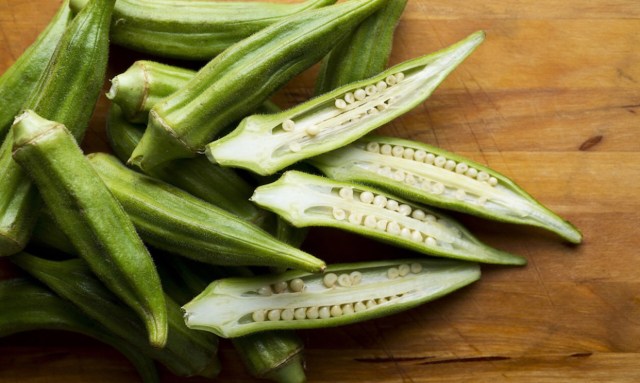
The taste is mild, but it has a unique texture with peach-like fuzz on the outside and small, edible seeds on the inside of the pod.

It offers a wide range of health benefits.

Okra provides fibre, folate and vitamin K, all of which promotes a healthy heart, strong bones and protects the body against the dreaded disease cancer.

According to the US Department of Agriculture (USDA) National Nutrient Database, one cup of raw okra, weighing around 100 grams (g) contains: 33 calories, 1.93 g of protein, 0.19 g of fat, 7.45 g of carbohydrates, 3.2 g of fiber 1.48 g of sugar, 31.3 milligrams (mg) of vitamin K, 299 mg of potassium, 7 mg of sodium, 23 mg of vitamin C, 0.2 mg of thiamin, 57 mg of magnesium, 82 mg of calcium, 0.215 mg of vitamin B6, 60 micrograms (mcg) of folate and 36 mcg of vitamin A

Okra is also a source of antioxidants. The seeds also contain compounds which have been linked to a lower risk of cancer. Okra also provides some iron, niacin, phosphorus, and copper.

The nutrients in okra may make it useful for preventing a number of health problems. Check out the benefits below:

Cancer

Lectin is a type of protein found in okra, beans, peanuts, and grains. Lectin from okra was used in a study to treat human breast cancer cells.

The treatment reduced cancer cell growth by 63 per cent and killed 72 per cent of the human cancer cells. More studies need to be done to see if okra has an effect on cancer in humans.

People who do not eat enough folate appear to have a higher risk for breast, cervical, pancreatic, lung, and other cancers. Therefore, getting adequate folate from food like okra is important.
Pregnancy and breastfeeding

Folate is important for preventing fetal problems during pregnancy. Low folate levels can lead to miscarriage or problems for the child in later life. Low folate levels have been linked to conditions such as Spina Bifida.

Getting enough folate is especially important for women before and during pregnancy, and while breastfeeding.

One 100-gram cup of okra contains 60 mcg of folate. For most people, the recommended daily allowance of folate is 400 mcg.

Diabetes

In 2011, researchers made a powder from the peel and seeds of okra to treat rats with diabetes.

The rats that were treated with the powder had lower blood sugar and fat levels than rats that did not receive the powder.

If this affects humans in the same way, it could lead to new therapies.

Heart health

According to the American Heart Association (AHA), eating foods that are high in fibre can reduce harmful cholesterol levels in the blood.

High-fibre foods lower the risk of heart disease, stroke, obesity, and diabetes. Fibre can also slow heart disease in people who already have it.

Women aged 19 to 30 years should aim to consume at least 28 grams of fibre each day in vegetables, fruits, legumes, and whole grains, while men need 33.6 grams a day. Okra has 3.2 g of fibre per cup.

Osteoporosis

Foods that are high in vitamin K, such as okra, are good for the bones. Vitamin K helps the bones absorb calcium. In theory, people who eat enough vitamin K are more likely to have strong bones and fewer fractures.

Okra and leafy greens such as Swiss chard, arugula, and spinach add vitamin K and calcium to a diet.
Gastrointestinal health

Dietary fibre helps prevent constipation and maintain a healthy digestive system.

Research suggests that the more fibre a person eats, the less chance they have of developing colorectal cancer.

Fibre in the diet also helps to reduce appetite, and it may contribute to weight loss.

In Asian medicine, okra extract is added to foods to protect against irritation and inflammatory gastric diseases. The anti-inflammatory and antimicrobial action may help protect against gastrointestinal problems.

Other health-related uses

Okra seeds can also provide oil and protein, and they have been used as a source of oil in small-scale production.

In poor regions of the world, the seeds can offer a source of high-quality protein.

The viscous extract of okra also has potential for use in medicine, for example, as a tablet binder and a suspending agent in medicines.

Another possible medical application of this ingredient is as a serum albumin extender.

Research has also suggested that it could be used as a plasma replacement or blood volume expander.

Buy okra when it is firm and keep it dry. Store for no more than 3 to 4 days in paper or plastic in a crisper drawer. Cooking it whole makes it the mucilaginous juice, unpopular with some people, but good for the health.

People who use blood thinners should not eat too much okra, as the vitamin K levels can interact with the drug.

Choose okra that is taut and firm to the touch and avoid pods that are shriveled or soft. Once the pods start to turn dark on the ends, they will go bad if they are not used soon.

Okra makes a tasty accompaniment to chicken and other roast dishes.

Keep okra dry, and do not wash it until you are ready to use it. Storing it in the crisper drawer in a paper or plastic bag can stop it becoming slimy or moldy. Fresh okra does not last for more than three to four days.

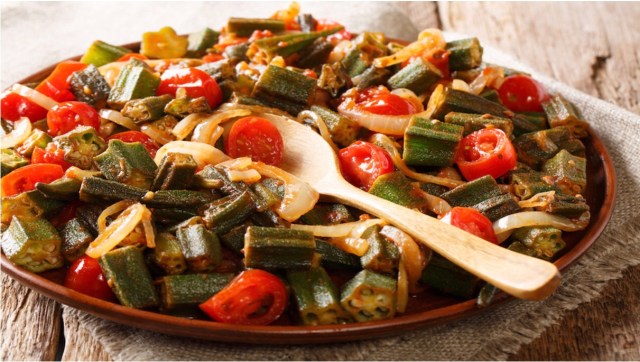
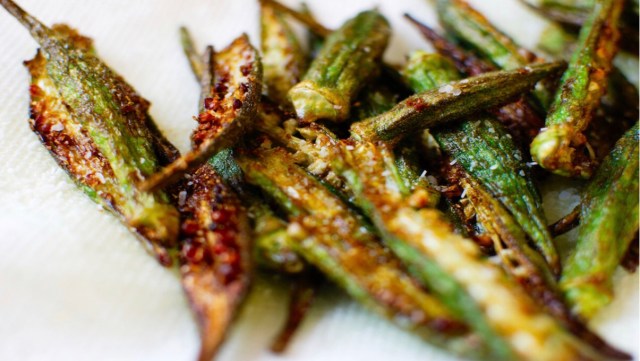
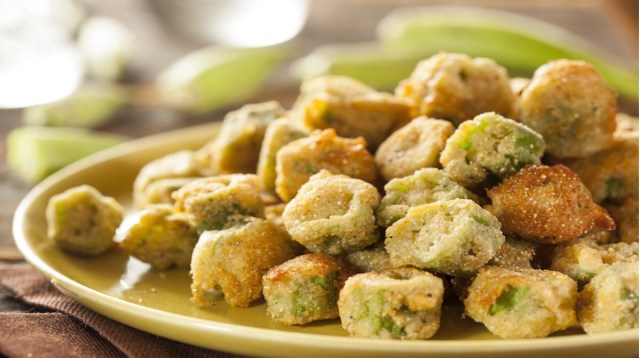
It can be used in salads, soups, and stews, fresh or dried, fried, sautéed, roasted, or boiled.

Cutting okra and cooking it in moisture releases a mucilaginous, or slimy, juice that increases the thickness of soups and stews. Dried okra can also be used to make or thicken a sauce, or as an egg white substitute.

Okra seeds can also be roasted and ground to make a non-caffeinated coffee substitute.

Some people do not enjoy the gummy texture of okra. Cooking the whole pods quickly can avoid this.

These healthy and delicious okra recipes have been developed by registered dietitians:
Risks and precautions

Eating too much okra can have an adverse affect on some people.

Fructans and gastrointestinal problems: Okra is rich in fructans, a type of carbohydrate that can cause diarrhea, gas, cramping, and bloating in people with bowel problems. People with irritable bowel syndrome (IBS) and other gut conditions are more likely to be sensitive to foods high in fructans.

Oxalates and kidney stones: Okra is also high in oxalates. The most common type of kidney stone is made of calcium oxalate.

According to the National Institute of Diabetes and Digestive and Kidney Diseases (NDDKD), high-oxalate foods can increase the risk of these stones in people who have had them previously. Other high oxalate foods include spinach, rhubarb, and Swiss chard.

Solanine and inflammation: Okra contains a compound called solanine. Solanine is a toxic chemical that has been linked to joint pain, arthritis, and long-lasting inflammation for a small percentage of people who may be sensitive to it. It is found in many fruits and vegetables, including potatoes, tomatoes, eggplant, blueberries, and artichokes.

No studies have suggested reducing solanine intake for the general population. In general, vegetables and fruits help reduce inflammation.

Vitamin K and blood clotting: Okra, and other foods that are high in vitamin K, can affect those who use blood-thinning drugs like warfarin, or Coumadin. Blood thinners are used to prevent harmful blood clots that can block blood from getting to the brain or heart.

Vitamin K helps the blood to clot. People who are at risk of blood clots should not suddenly change the amount of vitamin K they eat but keep their intake of vitamin-K-rich foods steady from day to day.

For most people, okra, like other vegetables, is a healthful addition to the diet. As with any food or nutrient, it is best to eat it in moderation and as part of a varied, balanced diet.

Some of the information used in this article was taken from www.medicalnewstoday.com

Soursop

This presentation weeks to cover the benefits of eating soursop and how it aids in staving off certain maladies that affect us.
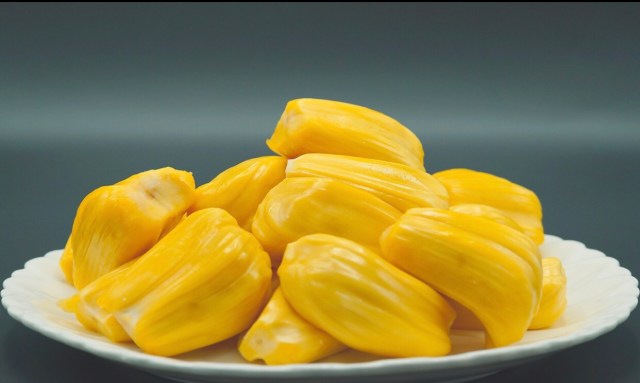
Soursop, the fruit of the Annona muricata broadleaf evergreen, is a popular treat in the Caribbean, Central and South America. The tree is native to the Americas, but is cultivated in tropical climates around the world today.

Soursop can be eaten on its own, but it is more commonly incorporated into beverages, syrups, smoothies, desserts, ice creams and sweets.

The flavour of soursop is quite distinctive, and can be compared to an apple crossed with a strawberry, but with an underlying sour citrus flavour.

Soursop is a member of the custard apple family, so named because of its creamy feel, which is akin to a banana or a coconut. The Annona muricata tree can reach 20 feet in height and the fruit it bears is physically imposing.

Soursop can easily weigh 10 to 15 pounds. Oval in shape, this unusual-looking fruit can reach up to a foot in length. Soursop pulp is loaded with potassium, vitamin C and dietary fibre. Unfortunately, it packs a sugary punch. One cup of soursop pulp contains 30 grams of sugar, which is why it should be consumed in moderation.

The soursop pulp is a key ingredient in many tropical desserts, but the leaves of the Annona muricata tree are what interest cancer researchers most. Soursop leaves have been found to contain a wide array of annonaceous acetogenins (AGE). These are a unique class of metabolites derived from long-chain fatty acids and have shown tremendous promise as a natural cancer treatment. AGE can be extracted by boiling the leaves into a tea, which is usually referred to as graviola.

The chemical composition of soursop leaves provides other health benefits as well. When applied topically, soursop leaf extract helps enhance wound healing and reduce inflammation. Scientists have attempted to isolate the bioactive compounds of the extract, which has been shown to be effective at reducing the frequency and duration of tonic seizures.

Extracts made from soursop leaves have shown amazing potential, but the fruit itself has much to offer as well. Researchers have found that the pulp contains the same chemotherapeutic properties as the leaves, seeds, roots and shell. Moreover, even after being frozen for a year, the pulp retains the powerful cancer-fighting acetogenins.

The fruity pulp also packs a serious nutritional punch. Soursop is rich in antioxidant compounds, which keep free radicals in check and help fight inflammation. A study found that this amazing fruit possesses anti-arthritic properties. Soursop also is laden with vitamin C, vitamin E, zinc and beta carotene. This potent combination can potentially protect you from eye disease and promote vision health.

Researchers have confirmed that soursop can effectively combat parasites, tumors and a wide range of common health complaints. In tropical Africa, soursop is used to help treat coughs, pain and skin disease. A 2015 hypertension study found that a tea made from soursop leaves decreased blood pressure without adversely affecting heart rate.

Soursop leaves are perhaps most famous for their cancer-fighting potential. A groundbreaking study published in the journal Cancer Letters examined how pancreatic cancer (PC), which is notoriously difficult to treat, responded to soursop leaf extract in vitro.

The results were quite impressive. Soursop, referred to by the common name of graviola in the study, killed PC cells by inhibiting their cellular metabolism. The study concluded that “Graviola extract inhibited multiple signaling pathways that regulate metabolism, cell cycle, survival, and metastatic properties in PC cells.

A tea brewed from soursop leaves was shown to be effective at killing parasitic larvae and their eggs. Soursop tea was also shown to be effective against debilitating protozoal infections. This could be an important breakthrough, as pharmaceutical treatments have become less effective due to antibiotic resistance and can have a negative impact on your health.

Extracts made from soursop seeds can also act as a potent insecticide. The larvae of the Aedes aegypti mosquito, the primary vector of dengue, are vulnerable to soursop seed extract. It also can kill fruit flies and other insects.

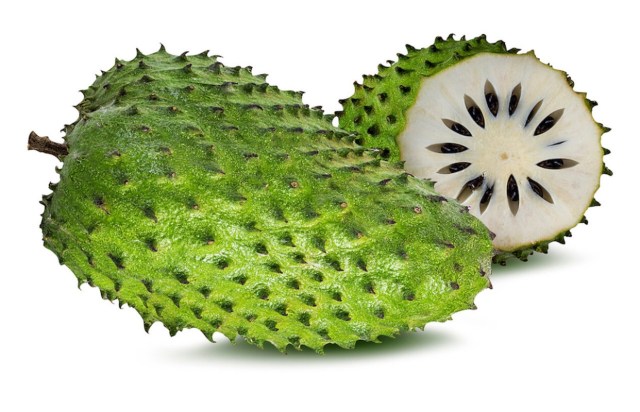
The soursop fruit’s green leathery skin is covered in small thorns, but despite its somewhat severe appearance, with a few well-placed cuts, soursop can be peeled with little effort. The pulp is fibrous, milky white and contains distinctive black seeds, while the skin is bitter. It is advised, however, that one removes the mildly toxic seeds before eating.

Soursop is often used as a blended ingredient. You can extract soursop juice by pressing the deseeded pulp through a sieve, colander or cheesecloth.

The United States Department of Agriculture National Nutrient Database estimates that one cup of raw soursop contains over 30 grams of sugar and seven grams of dietary fibre. Soursop contains very little fat but is loaded with potassium.

In Central and South America, the soursop tree is a fixture on the landscape. The tree can thrive in poor-quality soil and flourishes in low-lying areas. In some regions, soursop is considered an invasive species. This may change as more people become aware of its extraordinary and unique disease-fighting potential.

Soursop is most often used as an ingredient in sweets, but the leaves contain the highest concentrations of the potentially cancer-fighting annonaceous acetogenins. However, teas and solutions made from soursop leaves are extremely potent and can interfere with any medications you may be taking. Concerns have been raised about the toxicity of extracts derived from the leaves of this amazing plant, so if you intend to use a soursop extract, please consult with a health professional first.

The information used in this article was taken from https://foodfacts.mercola.com/soursop.html

Jackfruit

The jackfruit has been enjoyed by Jamaicans and to South India and is part of the Moraceae plant family, which also includes fig, mulberry and breadfruit. Jackfruit has a spiky outer skin and is green or yellow in colour.
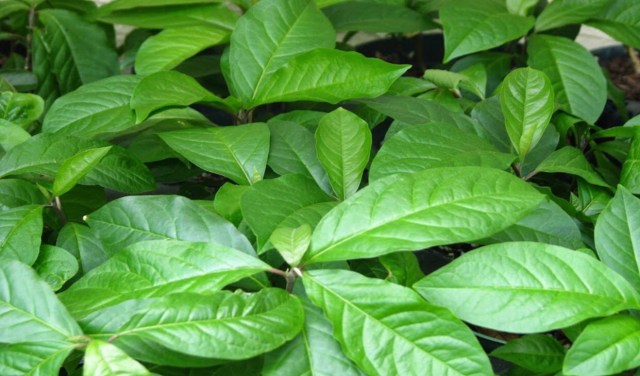
It is the largest tree-borne fruit in the world and can reach up to 80 pounds in weight. Its flavour is a combination of fruits including apples, pineapples, mangoes and bananas.

Jackfruit is very versatile and can be eaten raw or cooked. The most commonly consumed part of the fruit is the flesh, or fruit pods, which are edible both when ripe and unripe.

It can be used in sweet and savory dishes including desserts and curries. The seeds are also safe to eat.

Why you should eat this delicious fruit? It contains a moderate amount of calories and also contains some of almost every vitamin and mineral that you need, as well as fibre. Indeed, one cup of sliced jackfruit provides:

– Calories: 155

– Carbs: 40 grams

– Fibre: 3 grams

– Protein: 3 grams

– Vitamin A: 10% of the RDI

– Vitamin C: 18% of the RDI

– Riboflavin: 11% of the RDI

– Magnesium: 15% of the RDI

– Potassium: 14% of the RDI

– Copper: 15% of the RDI

– Manganese: 16% of the RDI

Jackfruit also has a fairly low glycemic index, which is a measure of how quickly your blood sugar rises after eating a food. This has been attributed to the fibre it provides, which slows digestion. It also offers protein, which helps to prevent blood sugar levels from rising too quickly after a meal.

The fruit is also high in a few powerful antioxidants that provide various health benefits, including a reduced risk of several diseases.

It contains high amounts of carotenoids and flavanones which boosts immune efficiency due to its high vitamin A content.

Jackfruit seeds are high in protein and other micronutrient. This attribute makes it a strong weapon against mental stress and skin diseases.

What’s more is that jackfruit roots and extracts have been used in traditional Indian and Sri Lankan medicine to treat several conditions, including asthma, diarrhea and stomach ulcers.

You can easily incorporate jackfruit into your diet by eating it plain or in various dishes. It makes an excellent meat alternative in vegetarian and vegan recipes.

Some of the information from this article was taken from www.healthline.com

Guinea Hen Weed

It grows wild in most green spaces in Jamaica and is often mistaken for a pesky weed that destroys the beautiful sight of a well-manicured law, but the guinea hen weed is filled with healing properties and is now the subject of major scientific and medicinal research.

The plant is indigenous to the Caribbean, the Amazon rainforest, Central and South America, and Africa. The scientific name of the guinea hen weed is Petiveria Alliacea. It is also called ‘Infection Bush’ or ‘garlic weed’ in some areas.

The plant is filled with properties that beats back infection and boosts the fighting powers of the immune system.

Hailed in some quarters as the miracle plant, medical practitioners worldwide have found it to be among the most interesting and important medicinal plants in the world.

It is known to have anti-carcinogenic properties, meaning its kills the dreaded cancer cells.

Men with prostate cancer have been drinking this tea made from the plant for decades. There are agents in the guinea hen weed plant called poly and trisulfides. Both are known to stymie the growth of cancer cells. These properties inhibit a certain variety of protein called “kinase” that exists within cancer cells and is known to be the reason cancer cells to spread throughout the body.

In addition, the plant has many other health benefits, including the lowering of blood sugar and assisting with digestive disorders.

It also acts as a pain reliever, helps with digestive disorders, reduces feelings of nausea, prevents degeneration, fights infection and common viruses, beats back arthritis and cleans the fallopian tubes.

Reference: www.exoticglobalproducts.com

The Powerful Disease-Fighting Benefits of Guinea Hen Weed Tea

Guinea Hen Weed Tea is an antimicrobial and immunostimulant making it a doubly powerful disease-fighting herbal tea.  Often known as anamu by natives in its indigenous Amazon homeland, this super plant has been used for medicinal, herbal and culinary purposes with astounding results.  Studies completed worldwide have found this unique plant contains properties that combat a variety of infections and diseases.

Guinea Hen Weed, or anamu, is composed of a variety of antioxidants such as tannins and flavenoids, naturally occurring steroids found in plant cell membranes, photochemicals and sulfuric compounds.  The blend of these potent elements has never been seen in any plant known to man. Research indicates that when combined in a plant like Guinea Hen Weed, these ingredients act as an antimicrobial, antiviral, antifungal and antibacterial.  As you can imagine, this phenomenal plant has huge potential in a medical context for treating or supporting existing treatments of many diseases that threaten the human population. 

Let’s start with one of the biggest diseases plaguing our modern world. While there are many known and suspected causes of cancer, the proliferation of free radicals and build up of inflammation are two of the worst culprits. Guinea Hen Weed may be a great preventative solution as it contains powerful levels of antioxidants. But it goes above and beyond with a combination of the sulfur compounds dibenzyl trisulfide and the photochemicals astilbin, benzldehyde and coumarin. In laboratory tests, these prove to have anti-cancerous effects. Additionally, the compounds in Guinea Hen Weed do not attack healthy cells. In a plant-screening done by the University of Illinois at Chicago, Guinea Hen Weed was named one of 34 plants that have active anti-cancer elements.

Guinea Hen Weed has even more amazing benefits. Clinical trials show that Guinea Hen Weed is a broad spectrum antimicrobial, working to fight off many strains of viruses, fungus, yeast and bacteria. Tests have shown promising results for using the plant to support people with hepatitis C, E. coli, staph infections, bovina diarrhea, pseudomonas and shingella, as well as a mycobacterium tuberculosis. Guinea Hen Weed is a cyolooxygenase-1 inhibitor that helps support joint pain. Plus, Guinea Hen Weed may have benefits for diabetics.

Design a site like this with WordPress.com
Get started